
Free in-home measure and quote - PGT, CGI and CWS impact lines compared on your actual openings, style by style
Sliding glass doors
Impact garage doorsPGTCGI
 Before
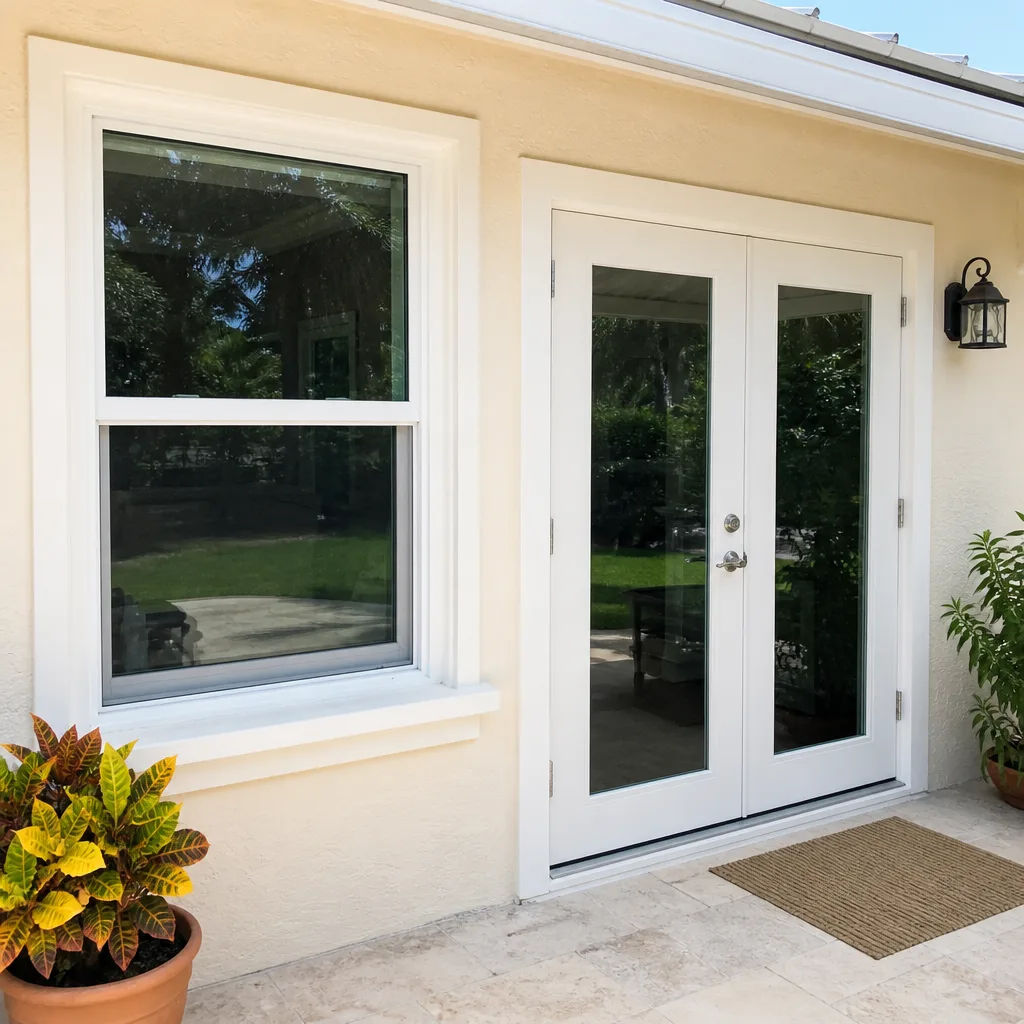 After
After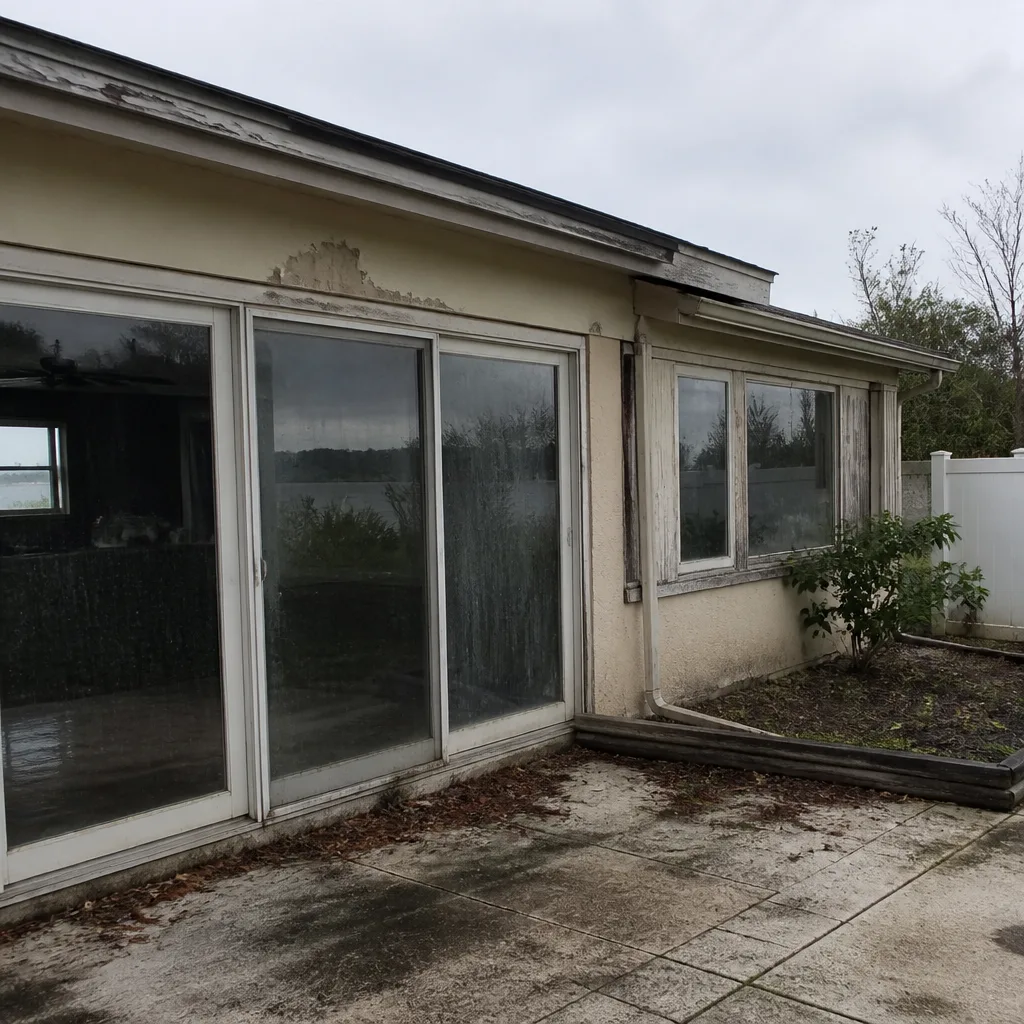 Before
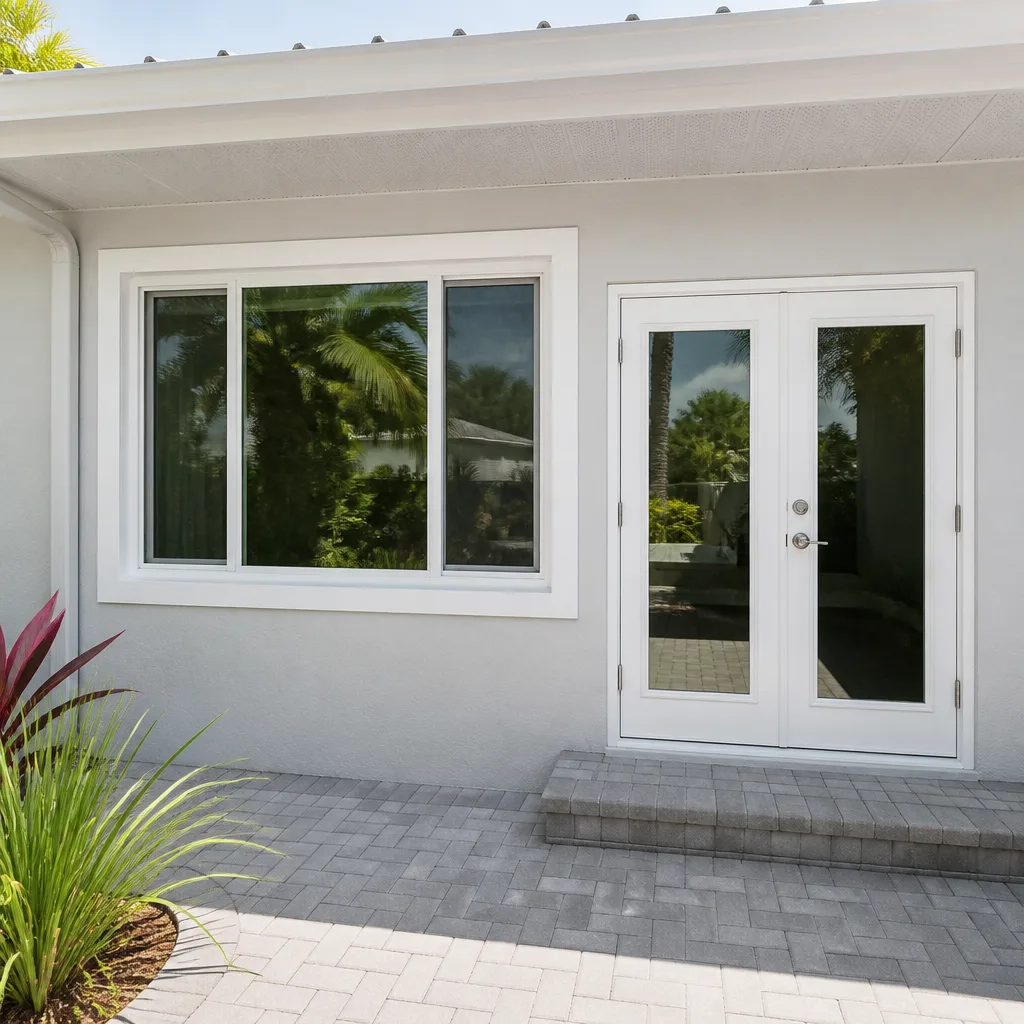 After
After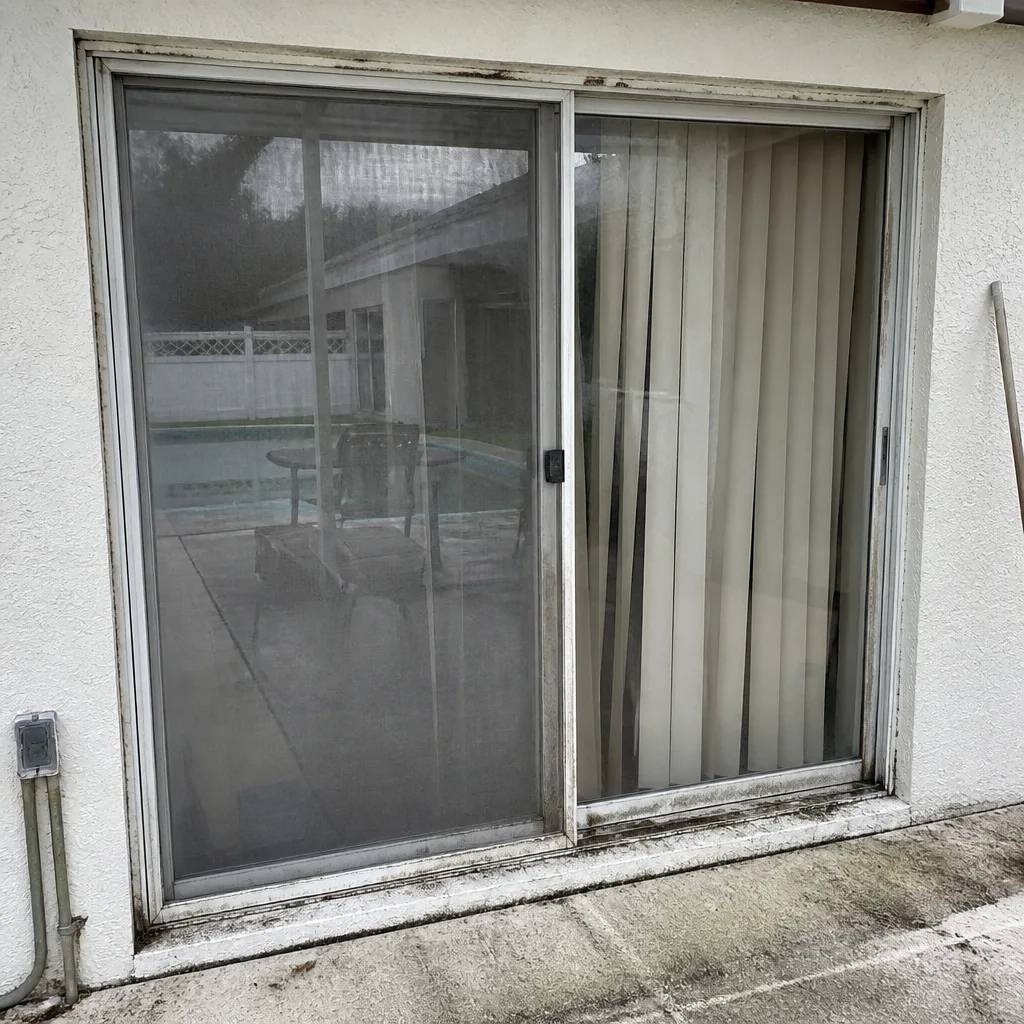 Before
 After
AfterCGI Roof Replacement & Installation in Stuart: What to Know First
CGI roof replacement and installation in Stuart typically runs between $1,800 and $4,600 per opening depending on the series, size, and whether you’re looking at a retrofit or full tear-out. Most CGI jobs we take on are completed within one to two days per opening once materials arrive, and we quote a fixed number before any work begins so the price on the estimate is the price on the bill. If you own a CGI product and the roof line is showing its age, you’re in the right place. Call (754) 324-4646 and we’ll walk you through what you’re actually dealing with.
This page is written for the Stuart homeowner who bought CGI windows or doors years ago and now needs them replaced because the frames are failing, the seals are gone, or a storm finally finished what salt air started. We’re an independent CGI service provider, not a manufacturer affiliate, which means we tell you what we see in the field, not what a warranty brochure wants you to hear.
Key Takeaways
- CGI is a solid Florida impact line, but certain series have known weak points around the roof line that show up after a decade or more in Stuart’s salt air.
- TruePane is an independent CGI service provider, not a manufacturer arm, so our recommendations are based on what we’ve actually pulled out of local homes.
- Every CGI roof replacement we do is quoted upfront, fixed, and backed by our Done Right Promise.
- We’re a local Stuart shop, not a statewide franchise, and we answer the phone when you call.
How CGI Products Fail - and How We Fix Them
CGI builds impact-rated windows and doors, and most of them hold up well in Martin County. But nothing lasts forever, and the failure patterns we see on roofs around Stuart tend to follow the product line. Here’s what we actually find when a homeowner says the CGI unit is giving them trouble.
- CGI Estate Series horizontal sliders above rooflines. In Stuart, we regularly see these at second-story rooflines where the afternoon sun beats down on the west-facing wall. The frame expands and contracts with the heat, and over fifteen or twenty years, the track wears unevenly. The door gets harder to slide, then starts to bind at the latch side. The real cause isn’t the track itself, it’s the frame losing its original alignment. We re-align the opening, replace what’s worn, and reset the unit so it slides like it did when it was new. That’s the fix that holds.
- CGI Sentinel Series casement windows with failed seals. Casements mounted near the roof line take more sun load than lower-floor windows. The insulated glass unit starts to fog between the panes, and the homeowner thinks it’s condensation. It’s not. The seal has failed, and in Stuart’s humidity, that fog never burns off. We replace the IGU with a new sealed unit and make sure the frame isn’t pulling away from the roofline flashing, because that’s the second problem hiding in the same job.
- CGI Targa Series awning windows that leak at the top hinge after storms. These show up on Stuart homes with low-slope roofs. Water sheets off the roofline and hits the top of the awning window. If the flashing was not properly counter-flashed when the original install went in, water works its way behind the frame. The homeowner sees a drip only during heavy blows. By the time we see it, the top jamb has already started to soften. Our fix is to pull the window, replace any rot at the opening, and reflash it properly before resetting the unit. That’s a two-day job, not a caulk-and-go.
- CGI 900 Series fixed picture windows at the peak. These get called in when the homeowner spots a crack running from a corner. In a lot of Stuart homes built in the nineties, the original opening was framed a little too tight for an impact unit. The house settles, the framing shifts, and the glass takes the pressure. We relieve the opening, replace the unit, and make sure the new glass isn’t sitting in a bind. If the opening isn’t right, the next window will crack too. That’s the part the homeowner never hears from the original installer.
- CGI Clerestory windows on coastal homes with corroded hardware. The glass and frames hold, but the locking mechanisms and hinges are often the first things to go. Salt in the air on Hutchinson Island and Sewall’s Point works on the metal parts long before it touches the frame. We replace hardware with materials rated for coastal exposure, and we do it without voiding the original warranty if it’s still active, because we know which replacements CGI will honor and which ones they won’t.
Each of these is a real pattern we have pulled out of homes in Rio, Stuart, Jensen Beach, and Palm City. The fix isn’t always a full replacement, but when it is, the roof line becomes a critical part of the job because the connection between the window and the roofline is where the water gets in.
Our CGI Roof Replacement & Installation Process
Every CGI roof job runs on the same sequence. It’s not complicated, but skipping a step is how the roofline starts leaking two years later, and that’s a bill no one should be surprised by.
- 1
Call and describe the problem. When you call (754) 324-4646, a live person answers. We gather the model or series if you know it, the age of the window or door, and what specifically you are seeing or hearing. Then we set a time to come out, no call-back form and no voicemail tree.
- 2
Site visit and measurement. A background-checked, uniformed technician comes out to measure the opening, examine the roofline flashing, and identify the true cause of the failure. We measure twice, because the opening is the foundation of the job. If the opening is badly out of true, the estimate will reflect the framing correction.
- 3
Written quote with side-by-side options. We put the numbers on paper. If the homeowner wants to compare another manufacturer line, such as PGT, CWS, ES Windows, or ECO Window Systems, we’ll quote those before we leave so you can see exactly what each option costs and what each one includes.
- 4
The replacement or installation itself. On the scheduled day we arrive when we say we will. We remove the old unit, correct any framing or flashing issues at the roofline, set the new CGI unit, and fasten it per the manufacturer’s current installation spec, not the shortcut the original builder used thirty years ago.
- 5
Water test and walkthrough. We run water on the roofline from outside, check for penetration, then operate the unit in front of you. If it doesn’t seal, slide, or latch correctly before we pack up, we fix it while we’re still there.
- 6
Warranty registration and the Done Right Promise. Both manufacturer warranty layers get registered in writing, with durations stated, before the truck leaves the driveway. If anything is not done right within 90 days, we make it right. No paperwork fights, no fine print.
What CGI Roof Replacement & Installation Costs in Stuart
Here are honest numbers based on the work we’ve done around Stuart, Rio, and Port Salerno recently. These are installed prices including tear-out of the old unit, basic roofline flashing, new unit, and debris haul-off.
- CGI Sentinel or 900 Series fixed picture window replacement at the roofline: $1,800 to $3,200 per window depending on size and whether framing correction is needed.
- CGI Targa or Estate Series slider at a roofline: $2,600 to $4,600 per unit, with coastal hardware replacement adding $200 to $500.
- CGI casement or awning with failed IGU, full unit replacement: $2,200 to $3,800 per window.
- Framing correction when the opening has shifted or rotted: $400 to $1,200 depending on the extent of the damage found after tear-out.
What moves the price is rarely the glass. It is the condition of the opening, the roofline flashing, and whether the original install was done to any standard at all. Homes built in the 1980s and early 1990s along the St. Lucie River frequently need framing corrections. Newer builds typically don’t. We quote the full job before work starts, and the price on the paper is the price you pay. Call (754) 324-4646 for a free estimate on your specific opening. Estimates are free, and we’ll tell you if a repair makes more sense than a replacement. Sometimes it does.
Why Stuart Homeowners Call TruePane Windows & Doors for CGI Work
We’ve been doing this in Martin County for a long time. Dale Kessler grew up in Rio, just south of Stuart along the St. Lucie River, where his father spent thirty years cutting and setting glass. Dale got his first glass cutter at fourteen, finished his building construction coursework at Indian River State College in Fort Pierce, and spent nearly two decades working windows and doors up and down the Treasure Coast before opening TruePane. If the opening is right, the rest is just doing the work. That’s the standard on every CGI roof job we take.
We are an independent CGI service provider, which means we make our recommendation based on what’s in the wall, not on what the factory wants us to push. When a homeowner needs to see alternatives, we quote PGT, CWS, ES Windows, and ECO Window Systems side by side on paper, so the decision is honest. A live person answers our phone twenty-four hours a day, seven days a week, not a voicemail tree and not a call center in another state. We answer. We show up. We stand behind the work. That’s the square deal.
FAQs
No, not if the replacement is done correctly. As an independent CGI service provider, we replace units using current manufacturer installation specs and register both warranty layers in writing before we leave the driveway. If the unit you are replacing still carries an active warranty, we check the terms before ordering parts so nothing gets voided by using the wrong component.
Most CGI roof replacements take one to two days per opening once the unit arrives. Fabrication lead times vary, but we coordinate everything, so you’re not left wondering when the truck is coming. If framing correction is needed, that adds time to the job and we’ll tell you upfront. Call (754) 324-4646 and we’ll give you a straight answer for your specific job.
In most cases, yes. CGI’s finish options are standardized across their series, and we can match frame color and hardware style for replacement units. If your original hardware is discontinued, we’ll show you the closest match or a coastal-rated alternative before we order anything. The goal is a roofline that looks like it was never touched.
We use OEM CGI parts whenever the manufacturer still makes them, because that’s what the warranty requires and what the opening was designed for. For hardware on older units where OEM is discontinued, we use quality aftermarket parts rated for Florida’s coastal exposure. We’ll tell you which one applies and why, in writing, before any work begins.
It depends on what’s actually wrong. A failed seal or worn hardware is often a repair. A frame that has pulled away from the roofline or an opening that has shifted is usually a replacement, because the underlying condition will fail again if left uncorrected. We’ll inspect it and give you our honest recommendation. Call (754) 324-4646 for a free estimate and we’ll tell you which one makes sense.
Written by Dale Kessler, Owner, TruePane Windows & Doors at TruePane Windows & Doors, serving Stuart and nearby areas.
Six Reasons Homeowners Choose TruePane Windows & Doors
Impact systems engineered to design pressures up to +/-100, matched to your wind zone - your openings hold when the storm arrives.
Low-E insulated impact glass from our manufacturer lines commonly cuts monthly cooling bills 20-30%.
Laminated impact glass shuts out up to 40% of outside noise - traffic, neighbors, weather.
Monitoring services run $30-90 a month. Laminated impact glass resists forced entry around the clock, with no subscription.
Florida homeowners average around 25% savings on the windstorm portion of their policy after protecting every opening - some homes qualify for more.
A full impact package upgrades curb appeal, buyer confidence and appraised value in one project.