Free in-home measure and quote - PGT, CGI and CWS impact lines compared on your actual openings, style by style
Sliding glass doors
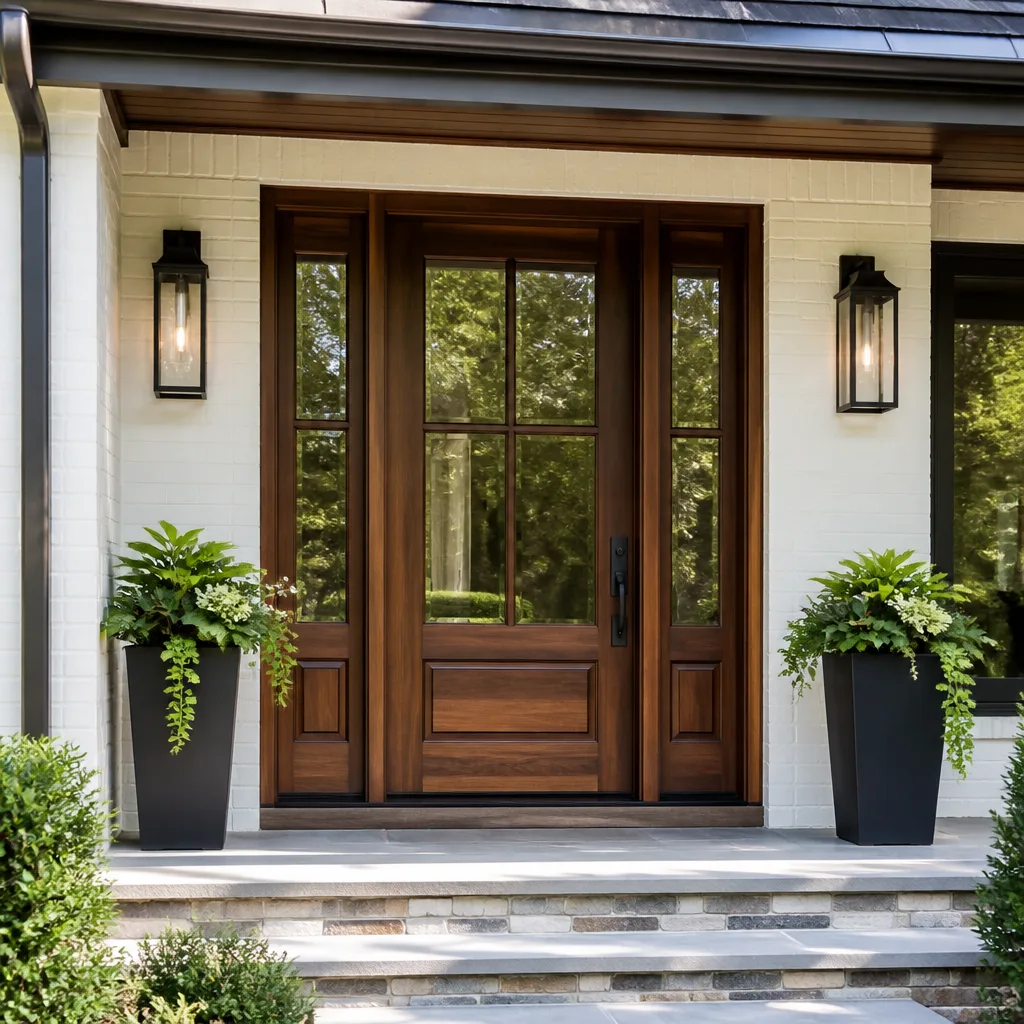
Impact garage doorsPGTCGI
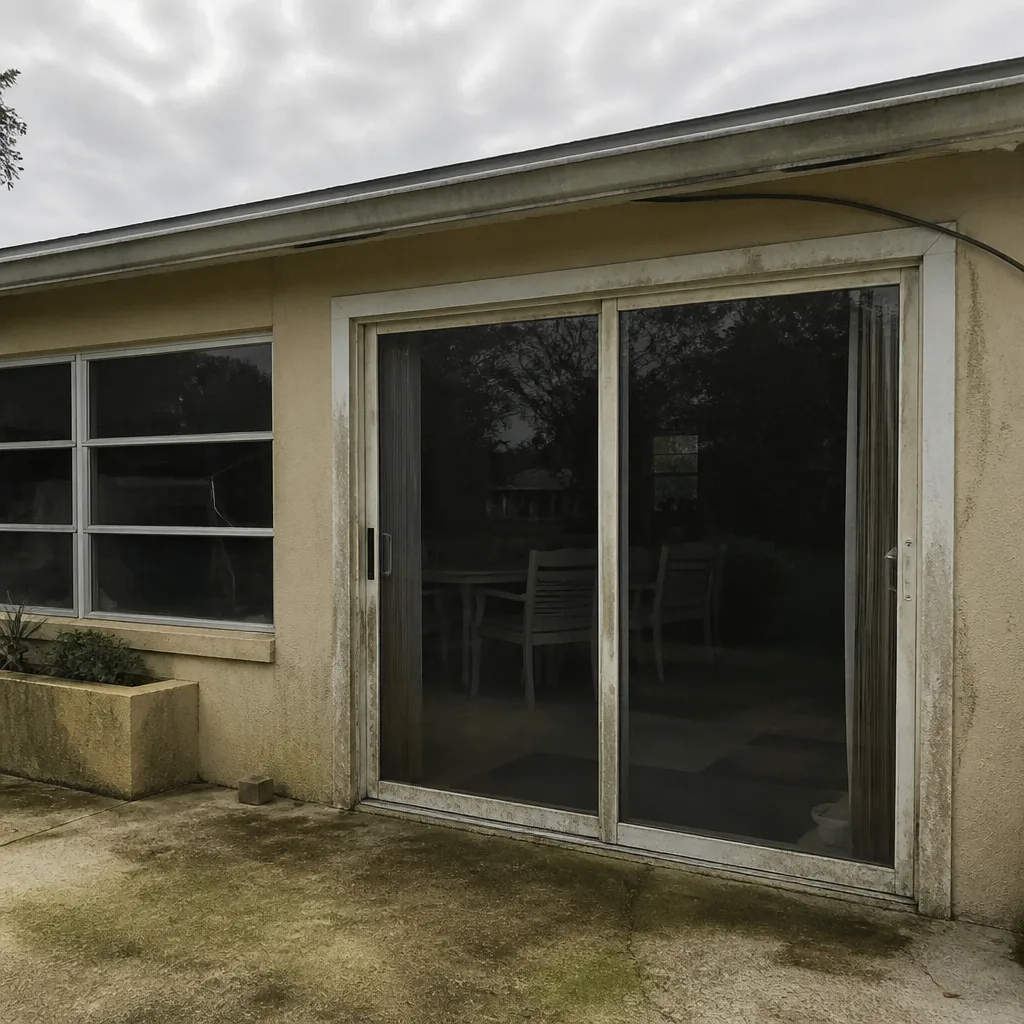 Before
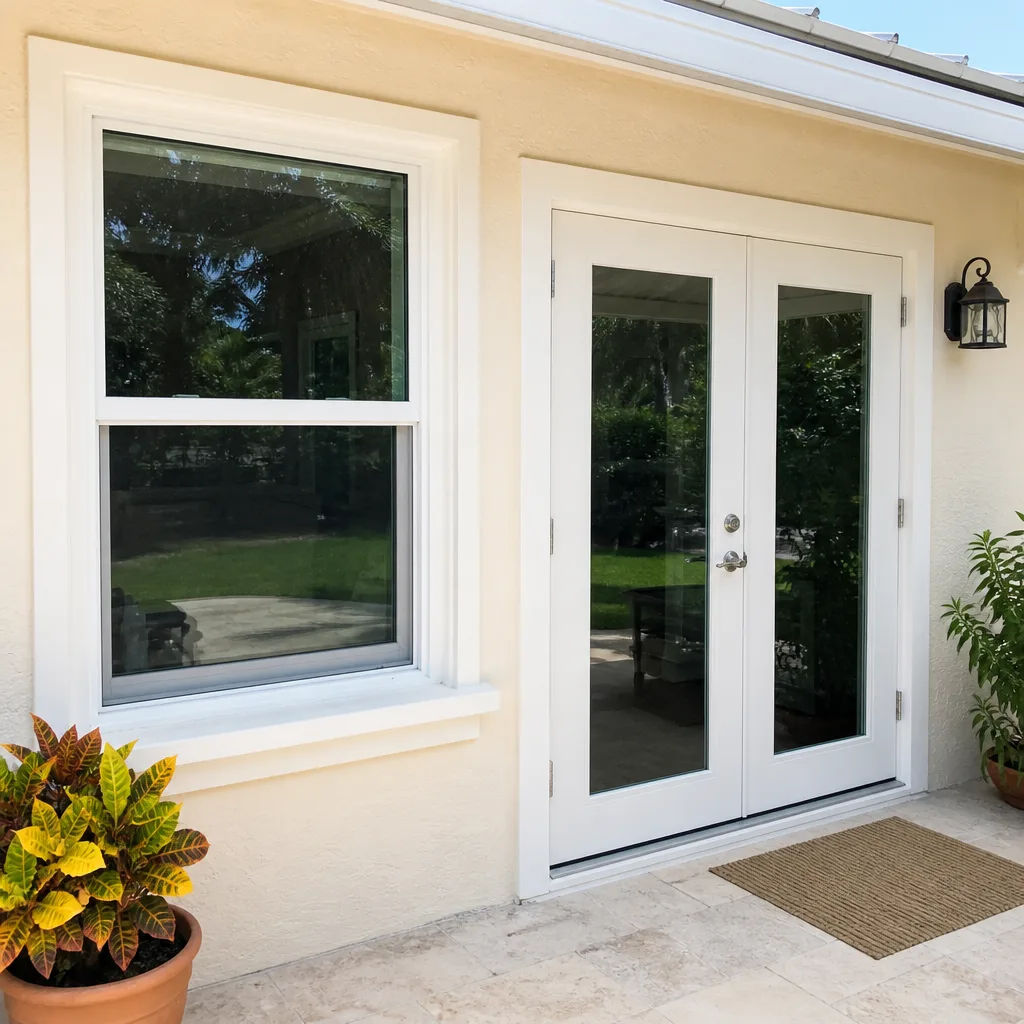 After
After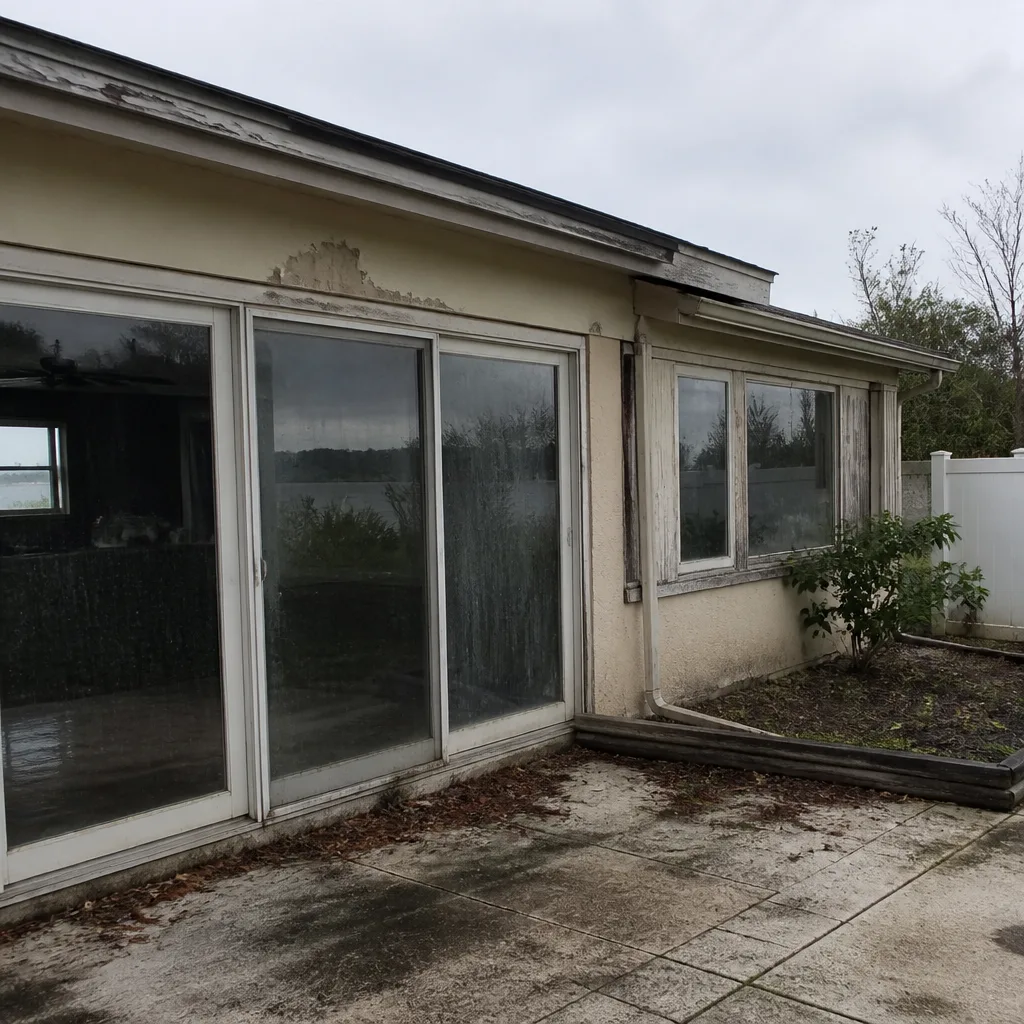 Before
 After
After Before
 After
AfterAwning Windows in Stuart, FL | TruePane Windows & Doors
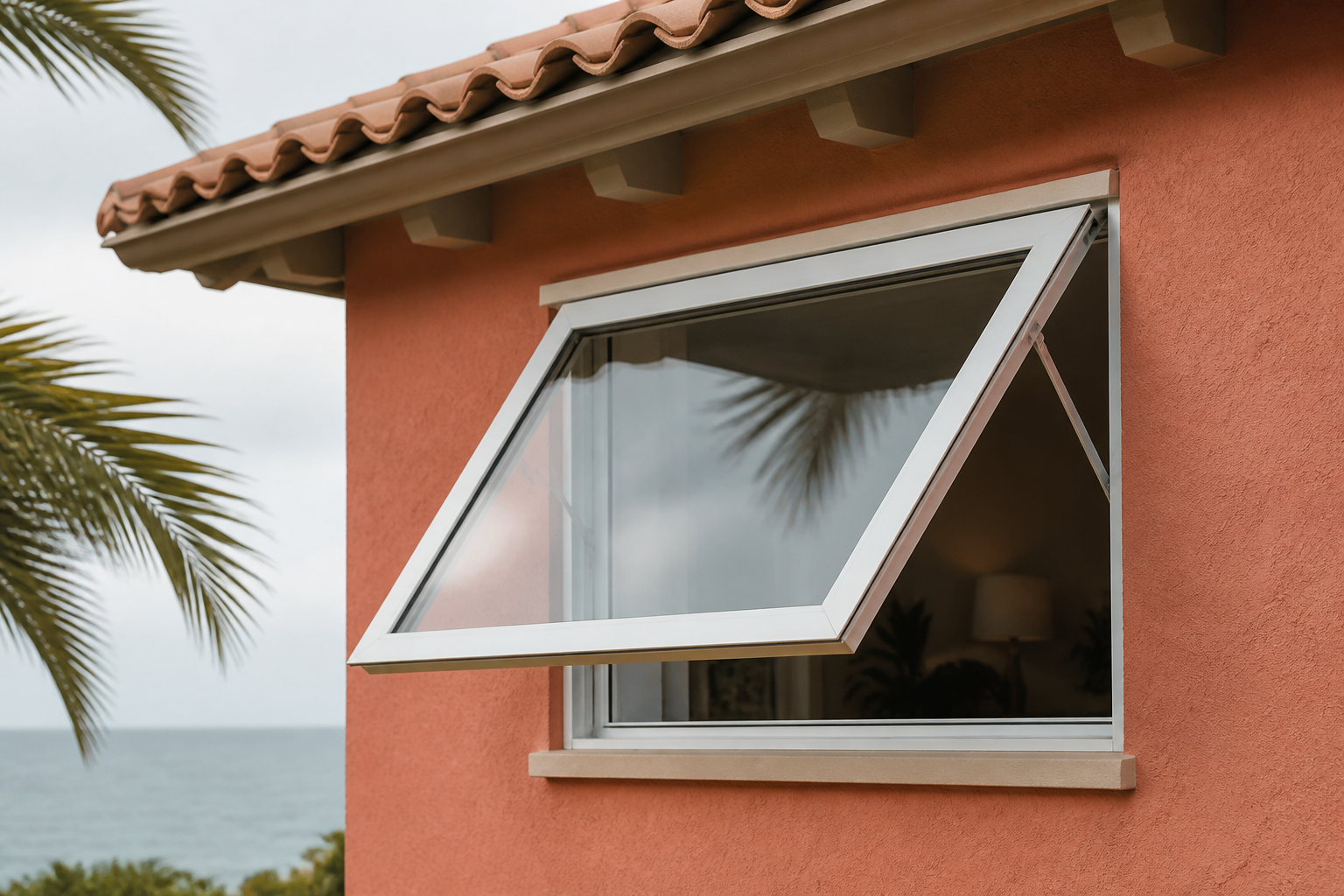
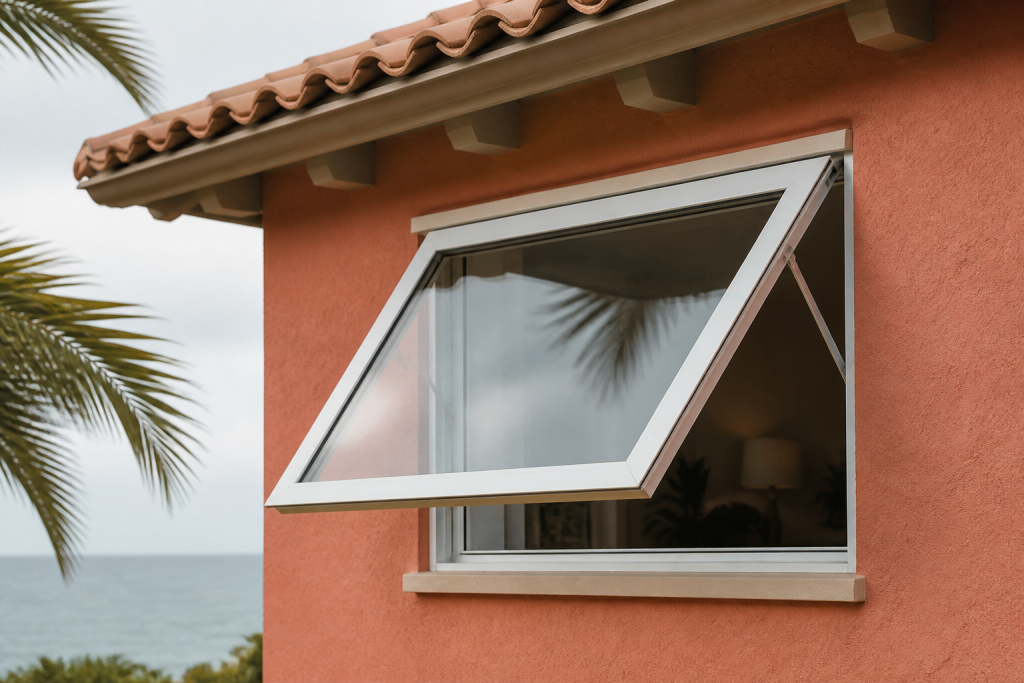
Awning windows are top-hinged, crank-out impact windows designed to let you keep fresh air moving through your Stuart home even during a passing afternoon rain. The sash opens outward from the bottom, which means rain hits the glass and runs off instead of coming inside. For Florida homeowners, that single design feature changes how you use your windows. TruePane Windows & Doors installs awning windows across our PGT, CGI, CWS, ES Windows, ECO, and Mr-Glass lines, and we’ve been doing it in Stuart long enough to know exactly what coastal wind and salt air demand from a window. If you’re pricing awning windows for a Stuart home, call (754) 324-4646 for a free estimate.
Product Overview - Awning Windows
Awning windows solve a problem that’s uniquely Floridian. You want ventilation, but you also need a window that won’t let wind-driven rain soak your interior when a summer storm rolls through without warning. The top-hinged design means the sash tips outward while the upper edge stays anchored. Rain sheds off the glass like water off a small roof. You can leave the window cracked open during weather that would force a double-hung or casement window shut.
In hurricane-prone construction, the awning profile earns its place. The sash closes against a weathertight frame on all four sides, and because the hinge runs across the top, there’s no vertical track or side channel for wind to exploit. When closed, the sash compresses against the frame’s gasketing under positive wind pressure, and the geometry of the hinge resists negative pressure trying to pull the sash outward. That’s why the profile is common in coastal builds from Sailfish Point to Sewall’s Point, and why Stuart architects regularly specify it for second-story bathrooms, kitchens, and anywhere a window sits above a counter or under a soffit.
TruePane Windows & Doors installs awning windows with laminated impact glass as the core glazing, set in either aluminum or vinyl frames. The crank mechanism is a friction-driven operator, not a simple lever, which gives you precise control over how far the sash opens. It’s a small detail, but in humid Stuart weather, control over airflow matters.
Technical Specifications
- Frame materials: Aluminum or vinyl. Aluminum suits high-DP coastal applications and thinner sightlines. Vinyl offers thermal performance and a lower maintenance profile for inland Stuart neighborhoods.
- Glass options: Laminated impact glass with a PVB interlayer, Low-E insulated glass, tinted glass, clear glass. Laminated impact glass is the hurricane-code baseline; insulated Low-E is the energy-performance upgrade.
- Finish options: White, almond, bronze, black, tan. All are baked-on finishes rated for Florida sun exposure and salt air.
- Screen options: Fixed screen or retractable screen. Fixed screens mount to the interior and stay in place year-round. Retractable screens roll away when you want an unobstructed view.
- Operation: Crank-out operator with multi-point locking at the sash’s bottom corners.
Each configuration is quoted to your exact opening dimensions. We don’t work from a limited size chart, but from what the project actually needs, within the structural limits of the NOA-approved configuration.
Hurricane & Compliance Performance
Laminated Impact Glass - The laminated glass uses a PVB (polyvinyl butyral) interlayer sandwiched between two panes. When debris strikes the glass, the interlayer holds the pieces in the frame rather than allowing them to enter the home. The window may scar or crack on impact, but it stays in the opening and keeps the building envelope intact. That’s the entire point of impact glazing in Stuart, where the wind zone demands it.
Miami-Dade NOA / Florida Product Approval - Each configuration carries Miami-Dade Notice of Acceptance and Florida Product Approval numbers. These are issued per configuration, not as a blanket approval, so you’ll see the specific numbers tied to the exact size, frame, and glass combination we quote for your project. We verify approval numbers on every Stuart quote; you never have to chase them down through your permitting office.
FBC / HVHZ Compliance - The product is engineered to Florida Building Code High-Velocity Hurricane Zone requirements. HVHZ standards apply to Miami-Dade and Broward, but Martin County and Stuart adopt the same wind-design standards for coastal exposure. We treat the HVHZ standard as the floor, not the ceiling, for every awning window we install in Stuart.
TAS 201 / 202 / 203 Testing Context - These are the test protocols HVHZ-rated products pass before they earn an NOA. TAS 201 is large-missile impact, where a wood 2×4 is fired at the glass. TAS 202 is cyclic wind-pressure loading, simulating a hurricane’s repeated positive and negative pressures. TAS 203 is forced-entry resistance. A product that holds up to this protocol family isn’t just a window; it’s a structural component.
Design Pressure for Your Wind Zone - Design pressures are matched to your wind zone, up to +/-100, never higher. Every Stuart home has a wind zone assigned by its distance from the coast and the height of the opening. We size the DP rating to what your specific zone requires, understood through your home’s opening elevations and exposure category. We won’t sell you a higher DP than your project calls for, and we’ll never undersize it.
Energy Performance - Low-E and insulated glass options are available for awning windows in aluminum or vinyl frames. The Low-E coating rejects solar heat while the insulated airspace slows conductive heat transfer. That combination matters in Stuart, where summer cooling loads drive utility bills nine months of the year.
Color & Glass Options
The finish you choose sets the window’s presence against your home’s exterior. White and almond are the most common on Stuart’s single-family homes, and for good reason: they read clean against stucco and lap siding without pulling attention from the home itself. Bronze and black work on modern coastal builds, particularly where the architect is using dark window packages against light walls. Tan has a soft, warm undertone that suits Florida Mediterranean exteriors, pairing naturally with barrel-tile roofs and sand-toned stucco.
Glass selection is driven by two questions: what does the wind zone require, and what does your energy bill require? Clear laminated impact glass satisfies code and keeps sightlines perfectly neutral. Tinted laminated glass cuts glare and solar heat gain in western-facing rooms. Low-E insulated glass is the upgrade for rooms that bake in morning or afternoon sun, giving you a second layer of heat rejection without changing the look of the window. Every glass option we quote is laminated for impact before any coating or insulation is added, so code compliance is never traded for performance.
Installation by TruePane Windows & Doors in Stuart
An NOA-rated awning window is only as good as the opening it’s set into. The approval was earned in a laboratory with the product anchored according to a specific set of installation instructions. Deviate from those instructions, and you compromise the entire system, no matter what the window’s design pressure says. That’s why TruePane Windows & Doors installs every awning window in Stuart under AAMA 2400/2410 installation practice, with AAMA 812 low-expansion foam used to seal the window’s perimeter to the rough opening.
Our process starts before removal. We inspect the existing opening for rot, termite damage, or water intrusion, because putting a hurricane-rated window into a compromised buck does nothing. Then we set the new window level, plumb, and square, shimming as needed so the sash operates cleanly and locks evenly. The perimeter gets the AAMA 812 foam seal, followed by exterior flashing and sealant work that directs water away from the rough opening. After installation, we test the crank operation, confirm the locking points engage, and hose-test the perimeter to make sure water isn’t finding its way in.
Stuart adds its own considerations. Coastal exposure means salt air is eating at your fasteners and flashings year-round, so we spec stainless steel hardware and sea-rated flashing. Wind zone requirements under Florida Building Code mean your permit package needs the right product approval numbers attached, and we handle that submittal as part of the job. Permitting in HVHZ jurisdictions can be tedious, but our Stuart crews are familiar with Martin County’s process and what inspectors look for on awning window installs.
Frequently Asked Questions - Awning Windows
What wind zone or design pressure is the Awning Window rated for? Design pressures are matched to your specific wind zone, up to +/-100, never higher. Your home’s wind zone is determined by location, exposure, and opening height, so we’ll confirm the exact DP required for your Stuart project before we quote a configuration.
What is the lead time for Awning Windows? Lead times vary by manufacturer, frame material, glass package, and finish. Right now, typical production runs from a few weeks to a couple of months depending on the lines you’re quoted from. We’ll confirm the current lead time on your specific configuration when we present your estimate. Call (754) 324-4646 to get an exact number for your project.
Does the Awning Window require a Miami-Dade NOA or Florida Product Approval submittal for my permit? Yes. Every hurricane-impact installation in Stuart requires the product approval numbers tied to your exact configuration. TruePane Windows & Doors pulls those documents for you and includes the correct approval numbers in your permit package, so the permit process doesn’t stall waiting on paper.
Can I customize the size or configuration of the Awning Windows? Sizes and configurations are limited by the structural limits of each NOA-approved configuration, not by a stock size chart. Within those approved limits, we can specify custom widths and heights to fit your openings. If a requested size falls outside the approved envelope, we’ll tell you before you spend a dime, and offer an alternative that works.
How do I maintain the Awning Window frame? Wash the frame and glass a couple of times a year with mild soap and water, rinse the crank mechanism, and keep the weep holes clear of debris. Salt air accelerates corrosion, so coastal Stuart homes should rinse exterior metal surfaces more often. Don’t use abrasive cleaners or pressure washers on the frame or glass. Call (754) 324-4646 if you ever have an operational problem; we service what we install.
Get a Quote - Awning Windows in Stuart
Let’s get your awning window project priced. TruePane Windows & Doors serves Stuart and surrounding Martin County communities with free on-site measurements and written, line-item quotes. Call (754) 324-4646 to schedule your measurement, or ask us to walk through product approval and permitting with you. We’ll get you numbers that hold.
Written by the team at TruePane Windows & Doors, serving Stuart, Florida with hurricane-impact window and door installations.
Six Reasons Homeowners Choose TruePane Windows & Doors
Impact systems engineered to design pressures up to +/-100, matched to your wind zone - your openings hold when the storm arrives.
Low-E insulated impact glass from our manufacturer lines commonly cuts monthly cooling bills 20-30%.
Laminated impact glass shuts out up to 40% of outside noise - traffic, neighbors, weather.
Monitoring services run $30-90 a month. Laminated impact glass resists forced entry around the clock, with no subscription.
Florida homeowners average around 25% savings on the windstorm portion of their policy after protecting every opening - some homes qualify for more.
A full impact package upgrades curb appeal, buyer confidence and appraised value in one project.
Other TruePane Windows & Doors Services
What Neighbors Say About TruePane Windows & Doors
Detailed Images