
Free in-home measure and quote - PGT, CGI and CWS impact lines compared on your actual openings, style by style
Sliding glass doors
Impact garage doorsPGTCGI
 Before
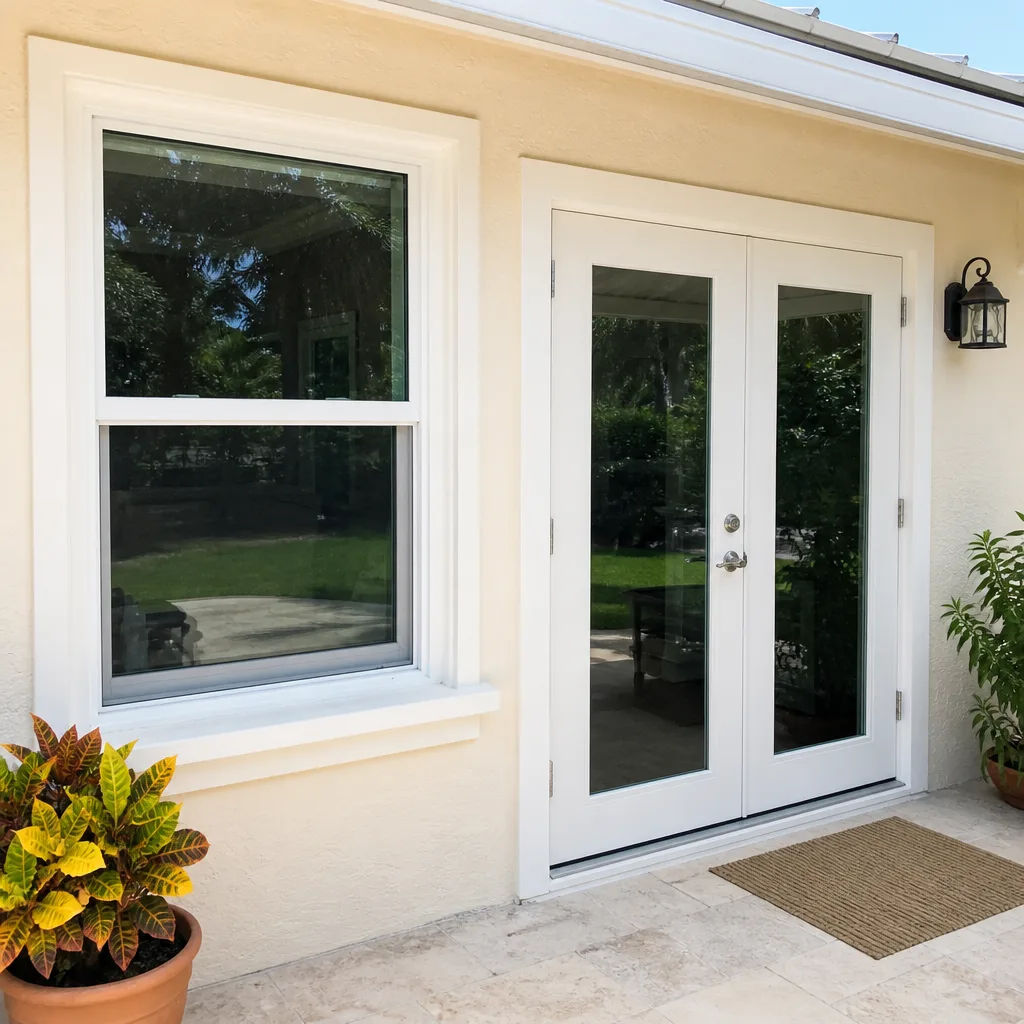 After
After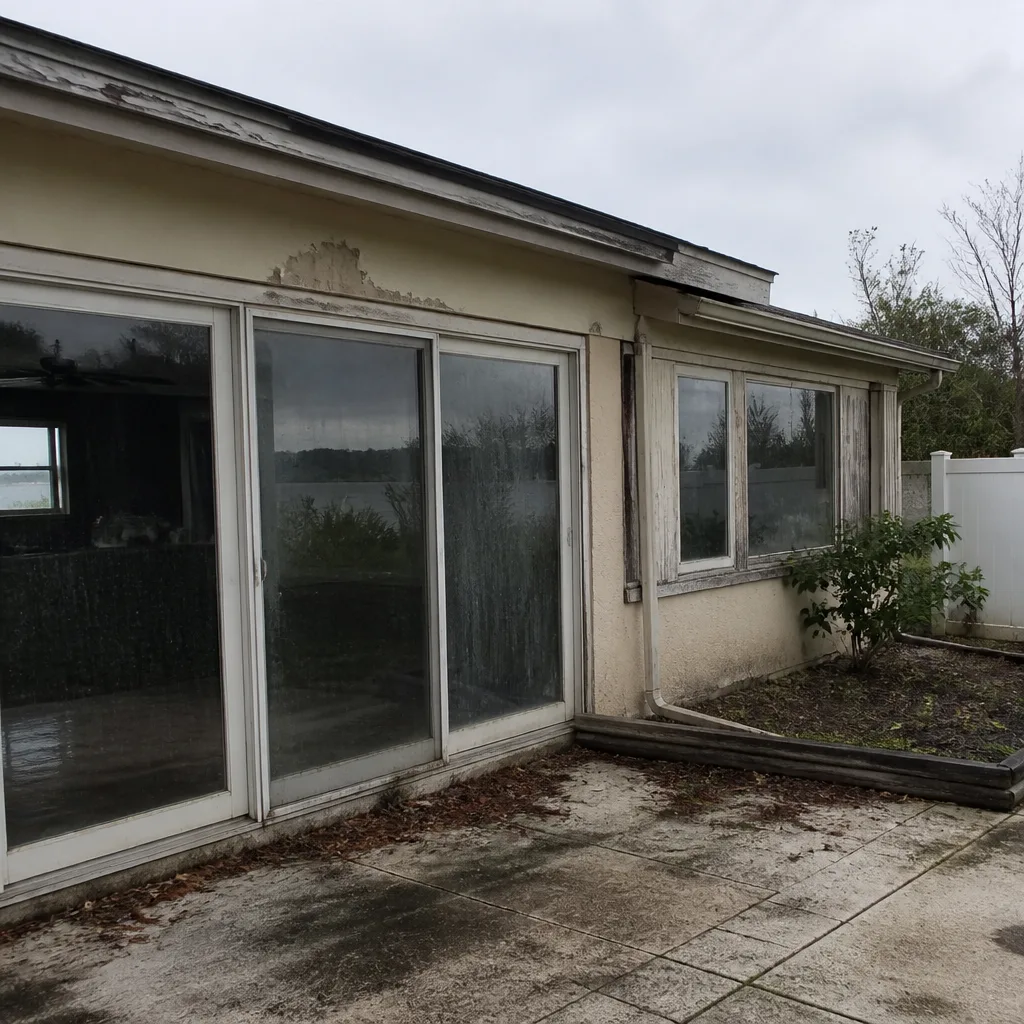 Before
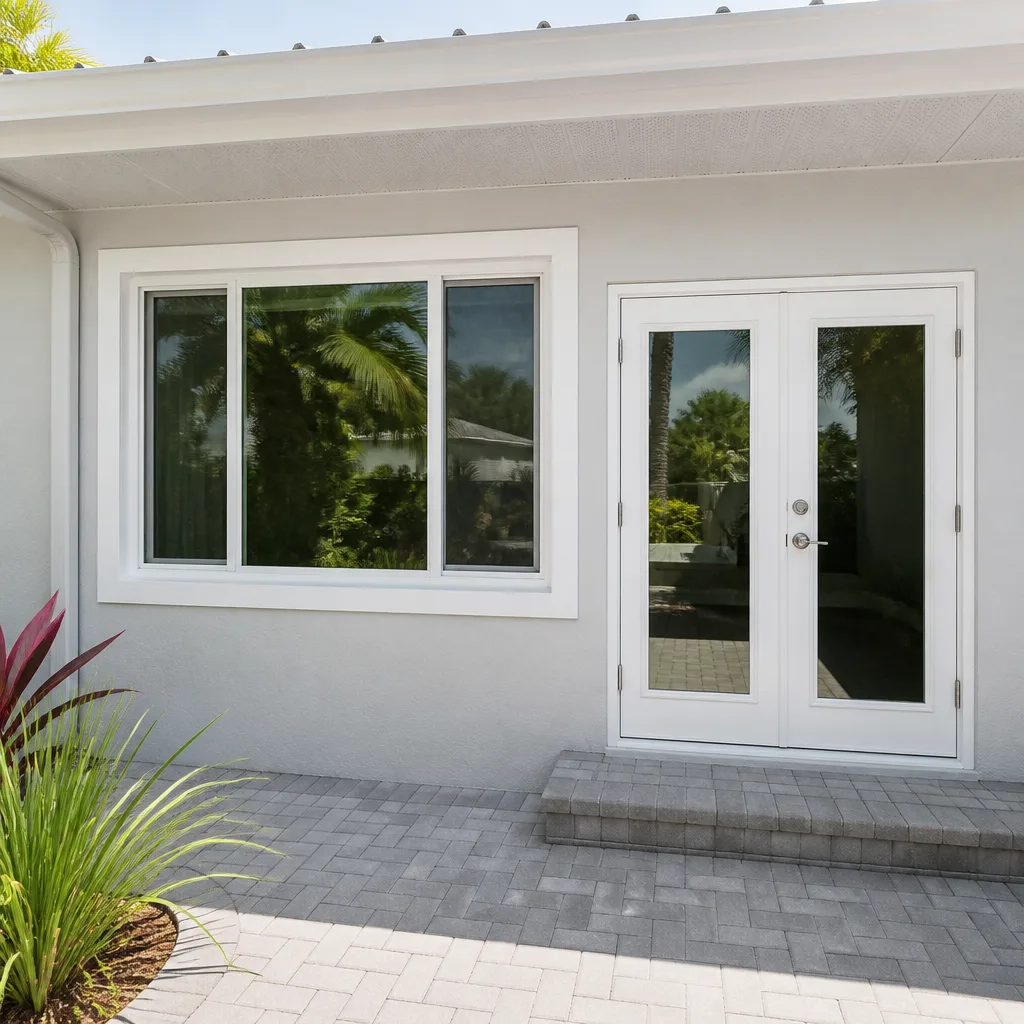 After
After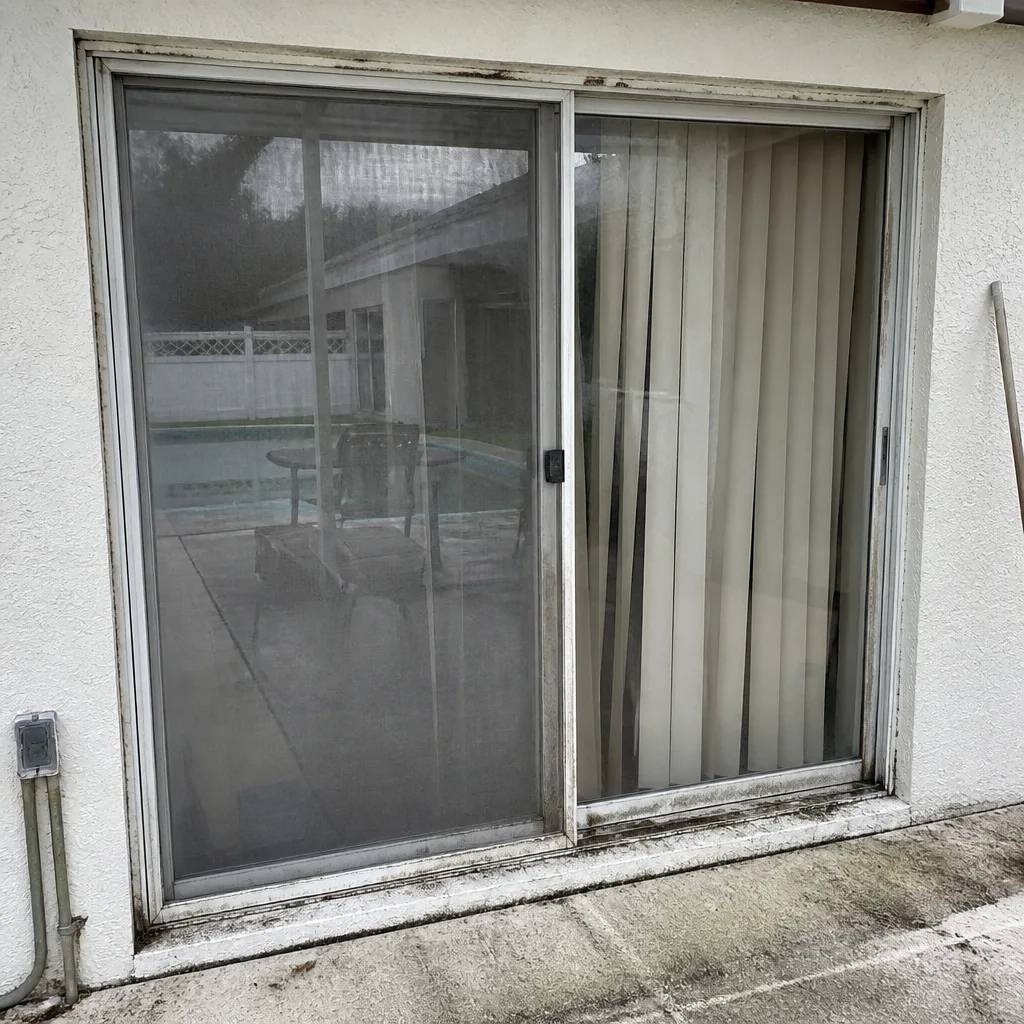 Before
 After
AfterMilgard Glass Railing Systems: The Stuart Owner’s Guide
If you need Milgard glass railing system parts in Stuart, we stock the most common profiles and can typically source exact-match components within a few business days. Installed replacement generally runs $45 to $180 per linear foot depending on whether we’re replacing glass panels, aluminum top rails, or the base shoe that holds everything together. Most homeowners discover the problem the way they discover any failing part in coastal Florida: a panel starts rattling in the wind off the St. Lucie, a top rail loosens where people lean on it, or the glass itself shows that white etching along the edges that means the lamination is separating from years of salt air and sun.
Which Milgard Models This Applies To
Milgard’s glass railing line runs through their aluminum and vinyl product families, and the compatibility question matters before you order anything. The base shoe profile changed between the older 3-1/4 inch aluminum channel used in mid-2000s installs and the newer 3-3/4 inch profile on current production. If you measure the opening width of the channel where the glass sits and it’s 3-1/4 inches, you have the older extrusion and need the earlier generation shoe cap. For most Stuart homes built along the river or Intracoastal, we see the aluminum system far more than vinyl, because the aluminum holds up better to the salt and the constant UV. We also stock parts for Andersen, and Pella railing lines when a home has mixed brands.
Milgard stamps a serial number on the inside of the top rail extrusion about eighteen inches from one end. Have that number ready when you call. It tells us the plant, the glass spec, and the year, which eliminates guesswork on tempered versus laminated glass and shorts the whole ordering process by a day or two.
Signs Your Milgard Glass Railing Systems Is Failing
- Glass panel rattles inside the base shoe. The neoprene setting blocks under the glass have compressed or dry-rotted. In coastal Stuart air, the neoprene outlasts cheap vinyl inserts by about four years, but nothing lasts forever in this climate. Left alone, the glass can chip at the bottom edge where it contacts the aluminum channel.
- White or cloudy etching along the glass edges. This is lamination separation beginning at the exposed edge. It starts at the corners and creeps inward. Once it’s more than an inch deep, the panel loses structural integrity and should be replaced, not resealed.
- Top rail wobbles where it meets the corner post. The stainless steel set screws inside the rail bracket have sheared or backed out. We see this most often on second-story decks where the afternoon sea breeze loads the rail laterally. Two screws hold the rail to each post; when one fails, the other follows within a season.
- Dark streaks running down from the base shoe onto the deck or concrete. The aluminum’s clear anodized finish has oxidized and the corrosion is bleeding. This is repairable if caught early with the right primer and a factory-matched coating, but most Stuart homeowners don’t call until the streaking has already scarred the pavers.
- Glass feels loose when you push on it lightly. The gaskets on both faces of the glass inside the shoe channel have flattened. Hand-tightening won’t bring them back. The gaskets are done.
Replacement Cost & What’s Included
For a typical Stuart deck or balcony, figure on $45 to $90 per linear foot for replacing the base shoe, gaskets, and setting blocks with new hardware, keeping the existing glass. If the glass panels themselves need replacement with Milgard-spec tempered or laminated glass, the range goes to $120 to $180 per linear foot installed. That number includes hauling the old panels, disposal, new glazing gaskets, and re-mounting the top rail square to the posts.
What drives the price is the glass. Laminated panels cost more than tempered, and on anything within three miles of the ocean, most Stuart building departments want laminated for impact resistance. We write the quote line by line so you see exactly what the glass costs, what the hardware costs, and what the labor is. No change orders, no surprises on the invoice. The work is covered by our Done Right Promise, and Dale Kessler’s found that if the opening is right, the rest is just doing the work.
DIY or Call Us?
You can safely tighten the set screws on a loose top rail with a standard hex key. You can also inspect the base shoe for obvious corrosion and clean it with mild soap and water to see what’s surface oxidation and what’s structural. That’s the honest limit for a homeowner, because glass railing panels are weight-bearing safety components. Thirty to forty pounds of glass, a wind gust off the St. Lucie, and a failed gasket you didn’t know about becomes a panel leaning against a child’s bedroom window. If a panel is cracked, if the lamination is separating, or if the rail carries any load from a staircase or walkway, let a trained glazier handle the swap. We measure every panel twice, order to the serial number, and set the glass on new blocks rather than reusing compressed ones. Call (754) 324-4646 if you’re not sure which side of that line you’re on.
FAQs
In Stuart’s salt air and sun, expect the aluminum hardware to last fifteen to twenty-five years and the glass panels to last twenty to forty depending on whether they’re tempered or laminated. The gaskets and setting blocks fail first, usually between seven and twelve years. That first wave of gasket replacement is what keeps the system from failing early.
Yes, and you usually can. Most of what we do in Stuart is replacing the base shoe, gaskets, setting blocks, and top rail brackets, not the glass. Full system replacement is only warranted when the corrosion has reached the structural posts or the glass lamination is failing on multiple panels. Call (754) 324-4646 and tell us the serial number off your top rail; we’ll tell you over the phone what’s worth saving.
A base shoe and gasket refresh on a standard twenty-foot run is one visit, usually four to six hours. If we’re replacing glass panels, we need one trip to measure and confirm the serial number, then a second trip to install once the glass is cut and tempered, which is typically three to seven business days.
We keep the most common base shoe profiles, gaskets, setting blocks, and top rail set screws on the truck. Specialty extrusions and odd-sized glass panels are ordered from Milgard’s distribution network and arrive within a few business days. Either way, you’re not waiting on a big-box store’s parts desk to guess at compatibility.
If your Milgard glass railing is rattling, etched, or just not as solid as it was when you first leaned on it, call TruePane at (754) 324-4646. We’ll ask for the serial number, give you a straight answer on what’s failed and what it costs to make right, and schedule a time that works for you. Free estimates, written line by line, and a live person on the phone around the clock.
Written by Dale Kessler, Owner, TruePane Windows & Doors at TruePane Windows & Doors, serving Stuart and nearby areas.
Six Reasons Homeowners Choose TruePane Windows & Doors
Impact systems engineered to design pressures up to +/-100, matched to your wind zone - your openings hold when the storm arrives.
Low-E insulated impact glass from our manufacturer lines commonly cuts monthly cooling bills 20-30%.
Laminated impact glass shuts out up to 40% of outside noise - traffic, neighbors, weather.
Monitoring services run $30-90 a month. Laminated impact glass resists forced entry around the clock, with no subscription.
Florida homeowners average around 25% savings on the windstorm portion of their policy after protecting every opening - some homes qualify for more.
A full impact package upgrades curb appeal, buyer confidence and appraised value in one project.