
Last updated August 27, 2026
Free in-home measure and quote - PGT, CGI and CWS impact lines compared on your actual openings, style by style
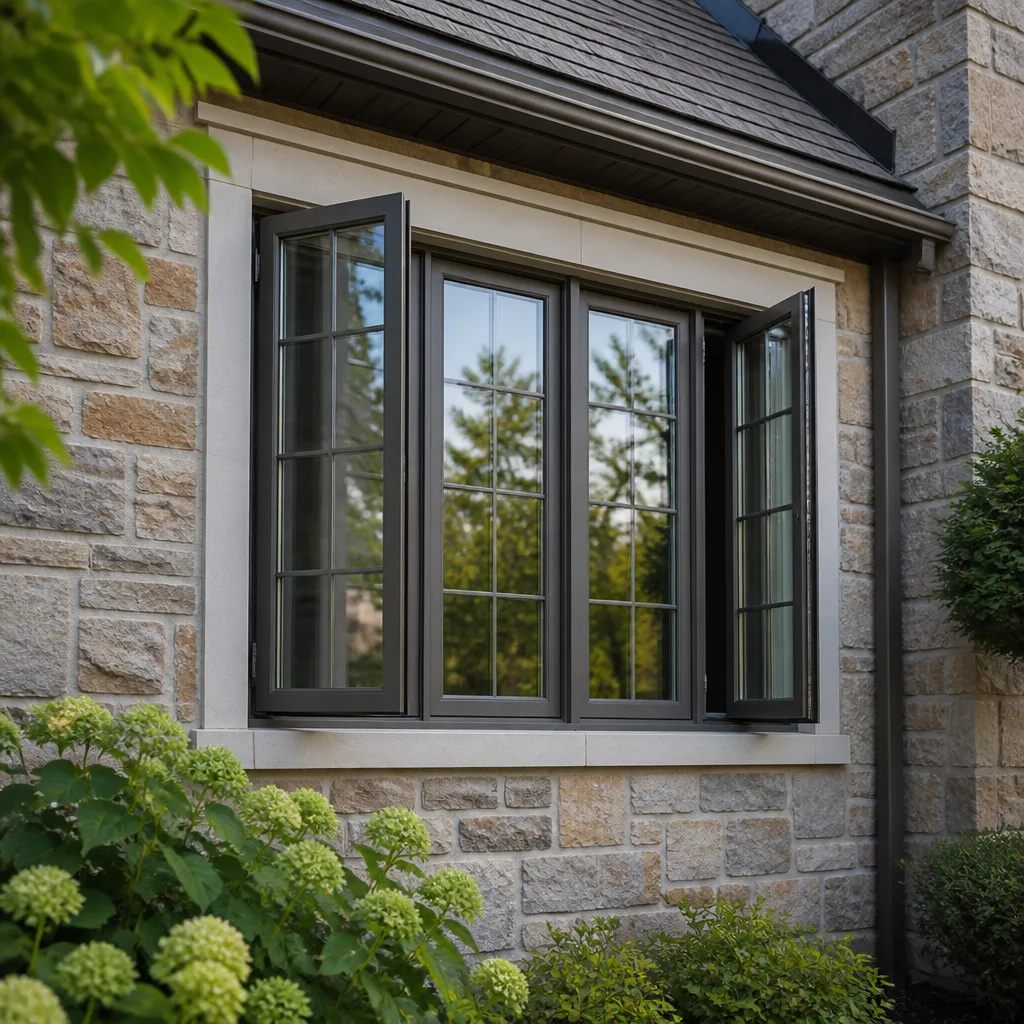
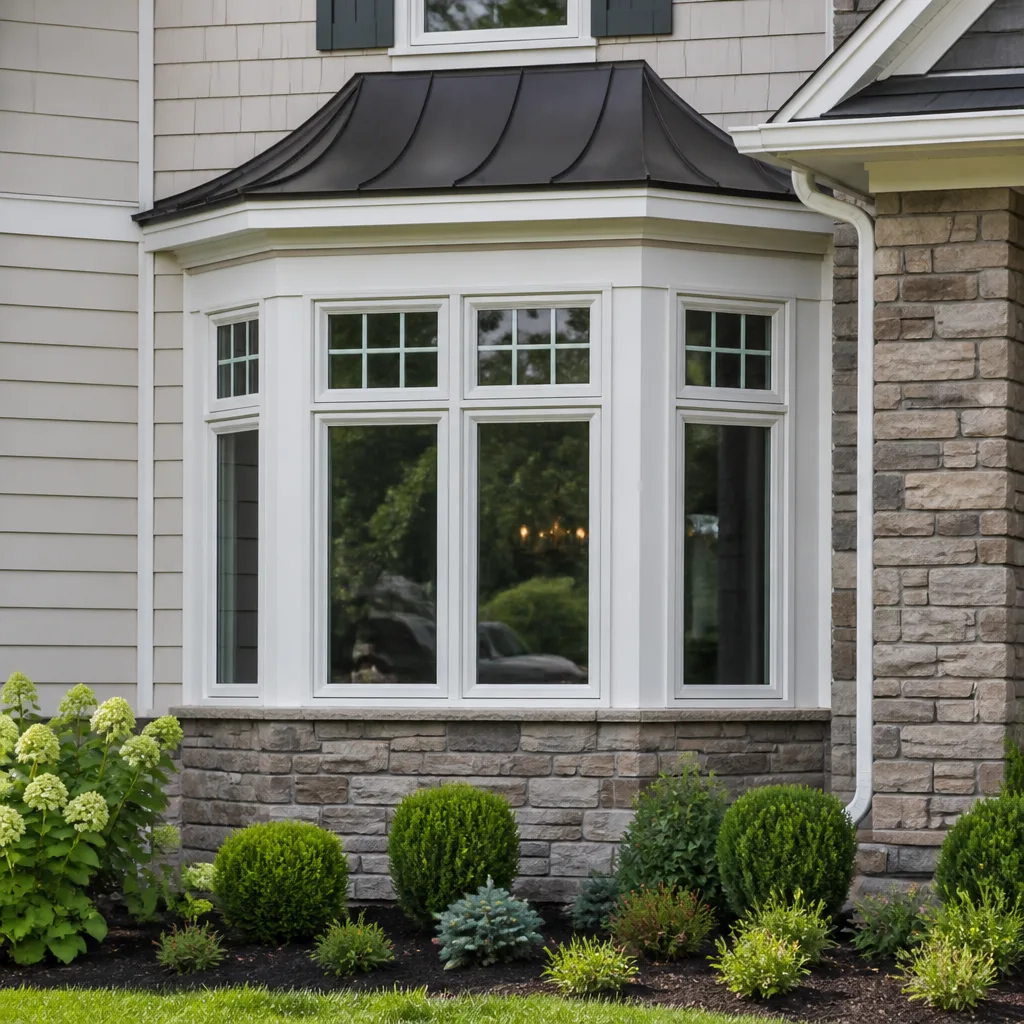
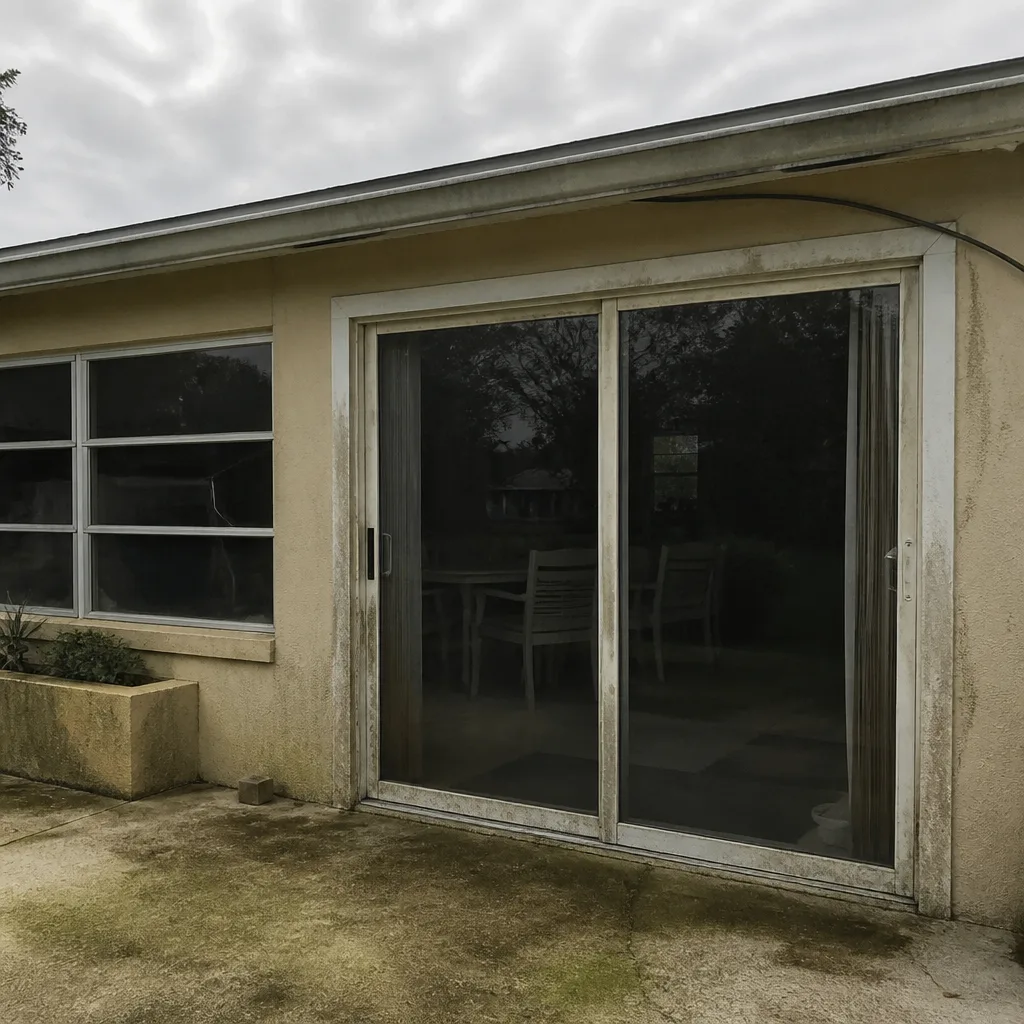
Sliding glass doors
Impact garage doorsPGTCGI
 Before
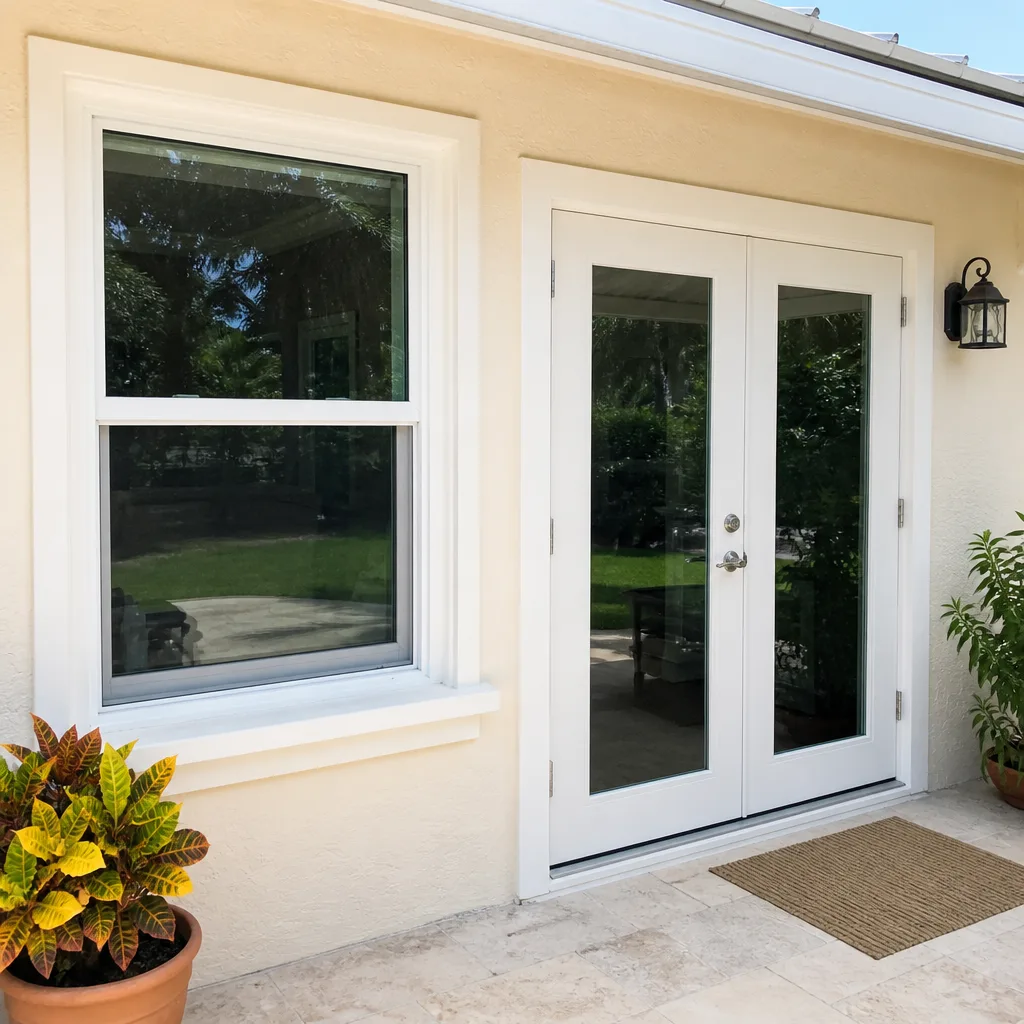 After
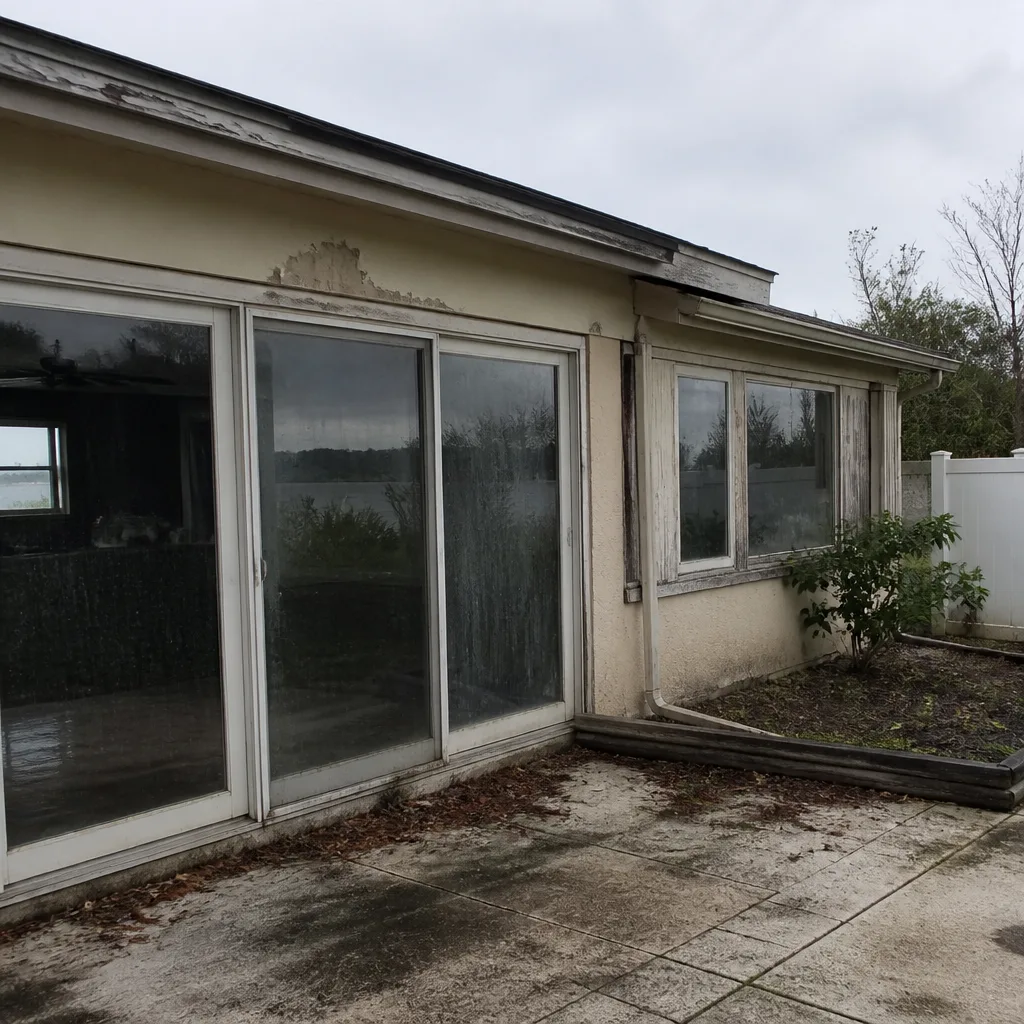 Before
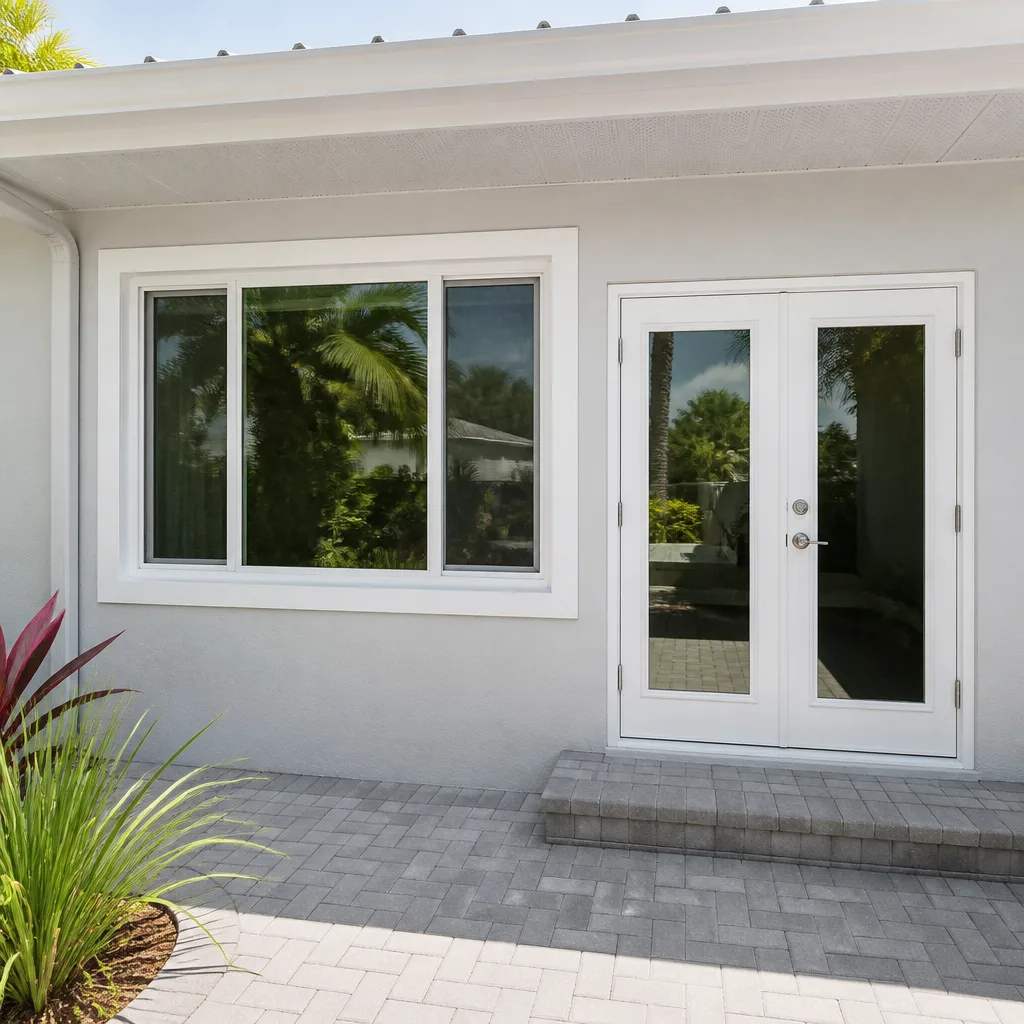 After
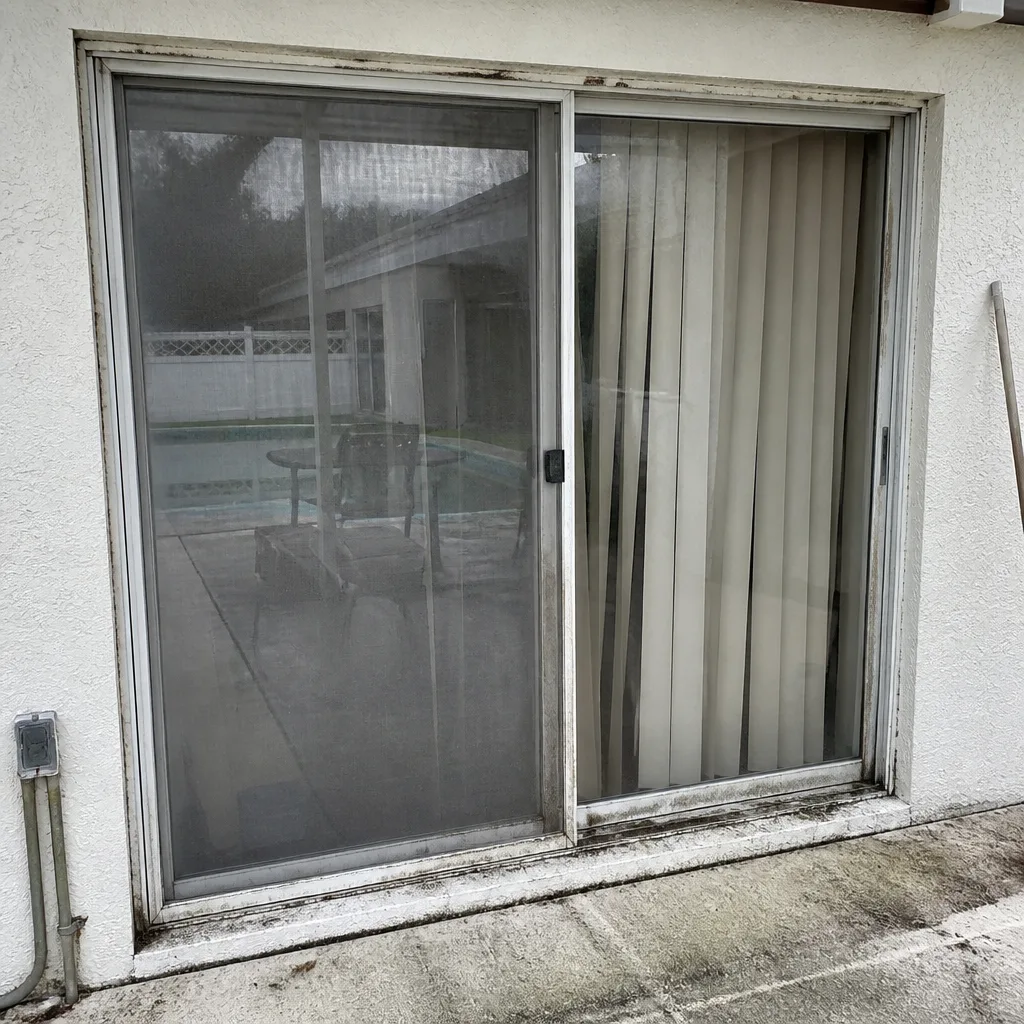 Before
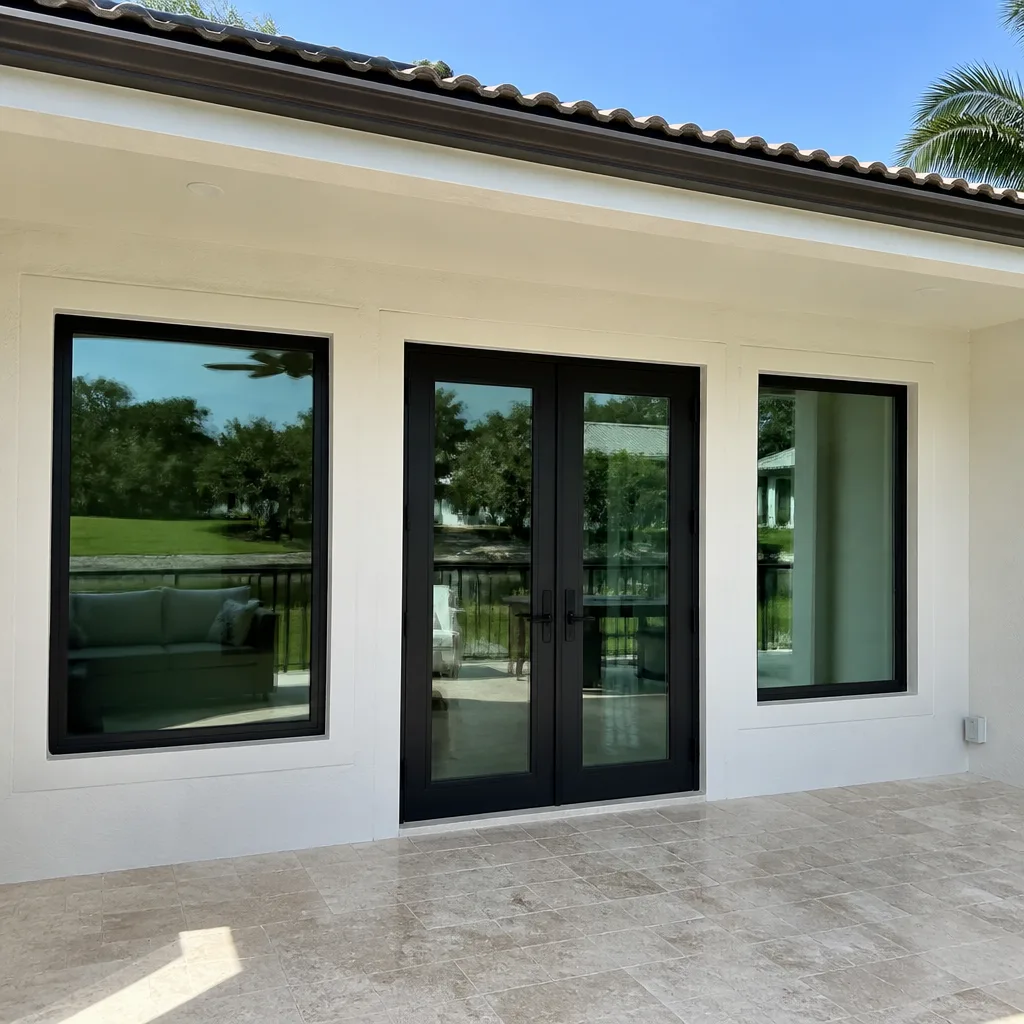 After
How to Hire a Windows & Doors Contractor in Stuart: A Step-by-Step Guide
Here’s a number that surprises most Stuart homeowners: a window or door installation is only as good as the company that measures it. The glass and frame come from the same manufacturer whether you hire the low bid or the careful bid. The difference is what happens in the gap between the rough opening and the trim. In Stuart’s salt air and hurricane season, that gap is where water gets in, where frames rack, and where warranties quietly die. This guide walks you through hiring a contractor the way a glazier would: methodically, with attention to the things that fail first.
Quick Answer
To hire a windows and doors contractor in Stuart, verify Florida licensing and insurance, confirm the company is an authorized installer for the manufacturer line you’re buying, require both warranty layers registered in writing before final payment, and insist on a fixed quote with no change orders. Then choose the contractor who answers the phone and stands behind the work, not the one who undercuts everyone else by $200.
Table of Contents
- Step 1: Verify License, Insurance, and Worker’s Comp
- Step 2: Confirm Authorized Installer Status
- Step 3: Understand the Two Warranty Layers and Demand Written Registration
- Step 4: Compare Manufacturer Lines Side by Side on Paper
- Step 5: Get a Fixed Quote and Ask About Change Orders
- Step 6: Know Stuart and Martin County Code Requirements
- Step 7: What to Expect on Installation Day
- Step 8: Read the Red Flags Before You Sign
Step 1: Verify License, Insurance, and Worker’s Comp
Any contractor who touches the exterior envelope of a Stuart home needs a Florida contractor’s license. Not a handyman’s registration. Not an LLC and a business card. A state license issued by the Florida Department of Business and Professional Regulation, specifically a Certified or Registered Residential/General Contractor credential or a specialty glazing license. You can verify the number online in under two minutes through the DBPR license portal. If the contractor hesitates to give you the number, that’s the first concrete signal in your decision process, and it’s a loud one.
Insurance is the second box. Ask for a Certificate of Insurance (COI) that names your property address as an additional insured for the duration of the job. This is a routine request for a legitimate operator. The COI should show general liability coverage and, if the company has employees rather than day labor, worker’s comp. Without worker’s comp, an injury on your property becomes your claim. Stuart’s older homes, particularly in St. Lucie and North River Shores, often require window retrofits that involve ladder work, existing rot, and unexpected discoveries inside the wall. Insurance is not a formality. It’s the difference between a bad day and a lawsuit.
We’ve walked onto jobs in Stuart where a previous contractor left the homeowner with a signed contract, a cancelled check, and no license number to be found. The windows were installed. The inspection never happened. The permit was never closed. One year later, the insurance company asked for documentation for a claim on a failed sill pan and the homeowner had nothing. That situation is avoidable in about five minutes of checking before you sign. Verify license first. Verify insurance second. Then talk about glass.
Step 2: Confirm Authorized Installer Status
Here’s a distinction most Stuart homeowners don’t know to ask about: a contractor can buy windows from a supplier without being an authorized installer for that manufacturer. The distinction matters when something goes wrong. If a contractor installs a PGT window without authorized status, and the seal fails or the frame warps, the manufacturer may decline the warranty claim because the installation was not certified. The homeowner is left in the gap between two parties pointing at each other. In Stuart’s climate, you don’t want to live in that gap.
An authorized installer has gone through manufacturer-specific training, has a direct account with the manufacturer or an authorized distributor, and can register the warranty in the homeowner’s name on the day of installation. We hold authorized status for more than a dozen manufacturer lines, including PGT, CGI, Andersen, Pella, and Marvin. When we quote a PGT WinGuard impact window, both warranty layers get registered in writing before our truck leaves your driveway. Ask any contractor you’re considering to name the manufacturers they’re authorized to install, not just the brands they can buy. Those are different lists.
This is also where you learn whether a contractor is a specialist or a generalist. A company that does kitchens, bathrooms, roofing, and windows is buying windows from a distributor and marking them up. A company that lives windows and doors knows which glass packages actually perform in Stuart’s heat load, which extrusion resists salt pitting near the St. Lucie River, and which frame design holds up to the humidity that never really leaves the air in Martin County. The authorized installer has answers to those questions. The generalist has a price.
Step 3: Understand the Two Warranty Layers and Demand Written Registration
Every quality window and door carries two warranty layers, and in our experience, fewer than half the homeowners in Stuart can name both. The first layer is the glass seal warranty, typically covering the insulated glass unit against seal failure for a manufacturer-stated term, commonly 10 to 20 years depending on the line. The second layer is the frame and hardware warranty, which covers the structural components, operating mechanisms, and finish for a separate term. Some manufacturers also include a labor allowance for a limited period. What matters is not the brochure language. What matters is whether the installation company registers both layers in your name, in writing, with the durations stated, before anyone asks you for final payment.
This is the heart of our Keystone Standard. Before the truck leaves the driveway, both warranty layers are registered in writing and the durations are stated on your paperwork. No “we’ll file that later.” No “the manufacturer will mail you something.” The registration is done. This sounds like a small administrative step and it is precisely the step that gets skipped. When a seal fails in year six, the homeowner who has a written registration files a claim. The homeowner who trusted the installer to “handle it” discovers that a company that was meticulous during the sales call is suddenly hard to reach.
Ask the contractor to show you a sample of their completed warranty registration before you sign. If they cannot produce one, you are hiring someone who has never done it. In Stuart, where summer heat expands frames and humidity tests every seal, a registered warranty is not a luxury. It’s the only thing that stands between you and paying twice for the same window.
Step 4: Compare Manufacturer Lines Side by Side on Paper
Every Stuart homeowner should see the same thing we put in front of ours: the manufacturer lines side by side, on paper, with prices next to each other. Not a verbal “I can get you X for about this much.” A written comparison that shows what you’re buying, what it costs, and what the warranty terms are. When a contractor quotes one line and one line only, you’re not getting a recommendation. You’re getting whatever they can buy cheapest.
In Martin County, the relevant comparison is usually between impact-rated lines and high-efficiency non-impact lines, depending on your home’s exposure and your insurance requirements. PGT and CGI dominate the impact market for good reason: they’re Florida companies with deep experience in Miami-Dade protocols and the specific testing that Stuart homes need when they sit within a mile of the intracoastal. Ply Gem and CWS offer strong mid-range options where impact rating is not required but thermal performance and cost matter. An authorized installer can walk you through the difference between a PGT 5500 series and a CGI Estate collection without reaching for marketing language.
The paper comparison also protects you from bait-and-switch pricing. If the door quote says one brand and the contract later says “or equivalent,” you’ve just had the ground moved under you. Equivalent is not a manufacturer line. Equivalent is a negotiating tactic. Ask for the exact line, the exact glass package, and the exact model number on every quote. In our experience, a legitimate contractor writing a legitimate quote is glad to do this. The one who resists is the one you shouldn’t hire.
Step 5: Get a Fixed Quote and Ask About Change Orders
In Stuart’s window replacement market, the single most common source of homeowner frustration is the bill that grows between estimate and completion. It goes like this: the salesperson quotes a number, the crew arrives, and suddenly there’s “unexpected rot,” a “non-standard rough opening,” or a “custom order fee.” These were all knowable at the measurement visit. The change order is how a low bid becomes a high final bill.
We work on fixed quotes with no change orders. When we measure an opening, we measure it twice. We inspect the existing frame, we check for moisture intrusion, we note the condition of the sill and the rough opening. What you sign is what you pay. If we find something inside the wall that no one could have predicted, we stop work, photograph it, explain it to you, and give you a written price for the additional work before we touch it. You decide. That’s the difference between a contract and a game of gotcha.
Ask any Stuart contractor a direct question before you sign: “Is this quote fixed? Will the price change once work starts?” Listen to the answer carefully. A straight answer sounds like “yes, this is fixed, with the exception of damage we can’t see until the old window is out, and that will be priced separately in writing.” An evasive answer sounds like “well, it all depends, sometimes things come up.” Both answer the question. One answer is hireable.
Step 6: Know Stuart and Martin County Code Requirements
Stuart sits in a unique regulatory position: Martin County enforces the Florida Building Code with wind zones that vary by address within the city. Homes in the coastal high-velocity hurricane zone (HVHZ) may require impact-rated glazing or shutters. Homes further inland fall under the standard wind-borne debris region but still require products that meet current Florida Building Code requirements. Your contractor should know which zone your address falls in before they quote a single window.
More specifically: Stuart requires permits for window and door replacement when the opening is altered or the product is changed from the original specification. A like-for-like replacement in a non-impact zone may not need a permit. An impact retrofit always does. A contractor who says “we don’t need to pull a permit for this” should be asked to put that in writing and explain how the product meets the current code. In our experience, the answer is rarely as simple as the statement.
Anderson’s Corner, Snug Harbor, and the neighborhoods along St. Lucie Boulevard face different wind loads than the newer construction west of US-1. A competent Stuart contractor knows this without consulting a map on a phone. If your contractor has never heard of the distinction between the HVHZ and the standard wind zone, you’re talking to the wrong company. Start with a TruePane Windows & Doors home consultation and we’ll tell you exactly what your address requires.
Step 7: What to Expect on Installation Day
A well-run installation day in Stuart starts before the crew arrives. The contractor should confirm the arrival window the day before. The equipment and materials should be staged the night before or brought on in the first morning trip. The crew should be uniformed enough to identify, background-checked, and prepared to protect your floors, furniture, and landscaping. If the plan for floor protection is a vague promise, expect dust on the IKEA.
The work itself follows a sequence that never changes: remove the old unit, inspect the rough opening for rot or water damage, repair or flash as needed, set the new unit, level it, insulate the gap, install trim, and seal the exterior. Each step has a correct order and a correct material. The flashing tape matters more than the window it protects. In Stuart’s summer rainstorms, an improperly flashed window will show the leak within the season. A correctly flashed window never shows the leak at all.
When the installation is done, the contractor should walk the home with you, operate every window and door, show you the sealant lines, and explain any new hardware. You should receive your warranty registration paperwork, a copy of the permit if one was pulled, and a final invoice that matches the quote. If the contractor leaves without doing any of these things, call and ask for them. A company that plans to be in Stuart in thirty years is one that walks the job with you. One that rushes off to the next sale is not.
Step 8: Read the Red Flags Before You Sign
You’ve now got the full picture. Here’s the short version, in one list, for what makes a Stuart window and door contractor worth hiring and what makes one worth walking away from.
- Hire: Florida state license verified online, insurance certificate naming your property, worker’s comp in place.
- Walk away: No license number, “we’ve never had a claim,” or day labor with no worker’s comp.
- Hire: Authorized installer status for the specific manufacturer line being quoted, in writing.
- Walk away: A quote that reads “or equivalent” or a brand that changes between estimate and contract.
- Hire: Both warranty layers registered in writing with durations stated before final payment.
- Walk away: “We’ll register it later” or “the manufacturer handles that.” They don’t.
- Hire: A fixed quote with the change-order policy explained clearly before the first day of work.
- Walk away: A low number that looks like a sales hook.
- Hire: A contractor who knows Stuart’s wind zones, neighborhood conditions, and Martin County permit process without looking them up.
- Walk away: A contractor who has never worked in Stuart and can’t name the neighborhood where your home sits.
Common Mistakes to Avoid
- Choosing the lowest bid without comparing scope. A $300 price difference on a five-window job usually means something was left out: trim, disposal, permit, flashing tape, the second trip to get the right size. The low bid is rarely the good bid in Stuart’s window market.
- Not verifying authorized installer status. A non-authorized installation can void a manufacturer warranty. The manufacturer writes the rules, and the rule is clear: unauthorized installations don’t get the same coverage.
- Paying in full before the work is complete. A reasonable deposit is standard. Full payment before installation means you’ve given away the leverage that protects you. Make final payment when the job is done, the walkthrough is complete, and the warranty papers are in your hand.
- Skipping the written warranty registration. This is the single most common failure we see in Stuart, and it’s completely preventable. Require written registration of both warranty layers with durations stated, before the truck leaves.
- Not asking about the change order policy before signing. Every contractor will tell you the quote is fixed. Very few will tell you what happens if they find rot behind the old frame. Get that policy in writing before you commit.
- Assuming impact windows are always required. In Stuart, the requirement depends on your address and elevation. A contractor who quotes impact glass for a home that doesn’t need it is padding the bill. A contractor who says “you don’t need impact” for a coastal address without checking is dangerous. Ask the question and verify the answer.
- Hiring a company with no local history. A contractor who appeared in Stuart six months ago and undercuts the local market is running on price, not reputation. When the warranty claim comes in year five, you want a company whose phone number still rings.
When to Call a Professional
Some window and door work in Stuart is not a do-it-yourself project under any circumstances. Impact window installation involves setting heavy laminated glass units into openings that require precise leveling and specific anchoring patterns to meet Florida Building Code. The weight alone makes the work unsafe for anyone without proper equipment. Door replacement, especially exterior entry doors, requires re-shimming the opening so the door operates properly through Stuart’s seasonal humidity swings. Get it wrong and the door binds in summer, lets air through in winter, and strikes the frame unevenly with every close.
Window replacement is not a project to learn on. The sealant, the flashing, the insulation, the shimming, the trim work: each step has a failure mode that shows up months later as a leak, a draft, or a fogged seal. A professional installation costs more than a DIY attempt and costs far less than repairing the damage from one. TruePane Windows & Doors offers free estimates in Stuart. Call (754) 324-4646 and we’ll measure, quote, and explain exactly what your home needs. No pressure. No obligation. Just a square deal.
Frequently Asked Questions
Replacement costs in Stuart vary widely by manufacturer line, glass package, and opening size, but as a rule of thumb, expect to pay more for impact-rated lines like PGT and CGI than for non-impact lines like Ply Gem or CWS. The range spans from around $900 to $2,500 per window installed, depending on size, material, and code requirements for your address. The best way to get an exact number is a free on-site estimate. Call (754) 324-4646 and we’ll give you a fixed quote on paper.
That depends on your address within Martin County. Homes in the coastal high-velocity hurricane zone generally require impact-rated glazing or shutters, while homes further inland may not. A contractor quoting for your specific address should be able to tell you which zone applies before they quote a single number. We verify this for every estimate we write in Stuart.
With a reputable contractor, no. The quote should be fixed, with the stated exception of damage hidden behind the old window that cannot be seen until removal. If hidden damage is found, the contractor should stop, show it to you, and provide a written price for the additional work before proceeding. Ask for a change-order policy in writing before you sign. Ours is simple: what you sign is what you pay, unless new damage is discovered, and then you decide before we touch it.
For a typical five-to-ten window replacement, the work usually takes one to two days once the windows arrive. Custom orders can add lead time at the manufacturer level, often two to six weeks depending on the line and glass package. Good contractors schedule your installation only after the windows are physically delivered and inspected, so you’re never left with open holes in your wall. For a specific timeline on your project, call (754) 324-4646.
Yes, when a permit is required. Impact retrofits and any opening alteration generally require a permit in Martin County. A like-for-like replacement in a non-impact zone may not. Your contractor should be able to tell you before the work starts what your address requires. We handle the permitting process as part of the job, including the inspection, so the permit is properly closed and your paperwork is complete.
The Keystone Standard is our written commitment that both manufacturer warranty layers, the glass seal warranty and the frame and hardware warranty, are registered in writing with durations stated before our truck leaves your driveway. It also means our Done Right Promise covers the workmanship on every job. If it’s not done right, we make it right. No paperwork fights, no arguing, no fine print that covers neither. That’s the standard in Stuart, and it’s the standard on every job we do.
The Bottom Line
Hiring a windows and doors contractor in Stuart comes down to four questions: Are you licensed and insured? Are you authorized to install the line you’re quoting? Will you register both warranty layers in writing before final payment? Is the quote fixed, with the change-order policy stated clearly? If the answer to all four is yes, you’re likely in good hands. If the answer to any one is vague, keep looking. The right contractor is methodical about measurements, specific about warranties, and steady about price. In our experience, that contractor is rarely the cheapest and never the one who makes promises that can’t be put in writing.
Written by Dale Kessler, Owner at TruePane Windows & Doors, serving Stuart since 2008.
Six Reasons Homeowners Choose TruePane Windows & Doors
Impact systems engineered to design pressures up to +/-100, matched to your wind zone - your openings hold when the storm arrives.
Low-E insulated impact glass from our manufacturer lines commonly cuts monthly cooling bills 20-30%.
Laminated impact glass shuts out up to 40% of outside noise - traffic, neighbors, weather.
Monitoring services run $30-90 a month. Laminated impact glass resists forced entry around the clock, with no subscription.
Florida homeowners average around 25% savings on the windstorm portion of their policy after protecting every opening - some homes qualify for more.
A full impact package upgrades curb appeal, buyer confidence and appraised value in one project.