
Last updated August 27, 2026
Free in-home measure and quote - PGT, CGI and CWS impact lines compared on your actual openings, style by style
Sliding glass doors
Impact garage doorsPGTCGI
 Before
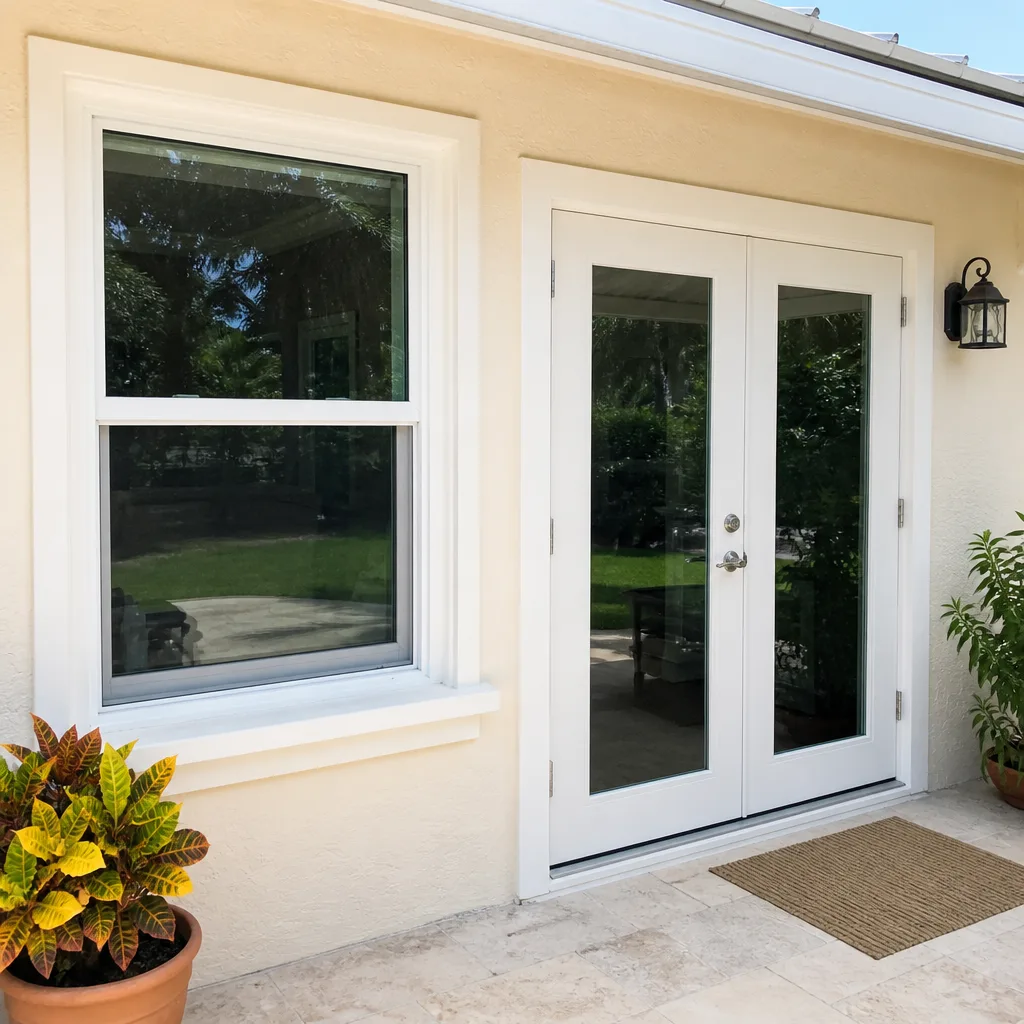 After
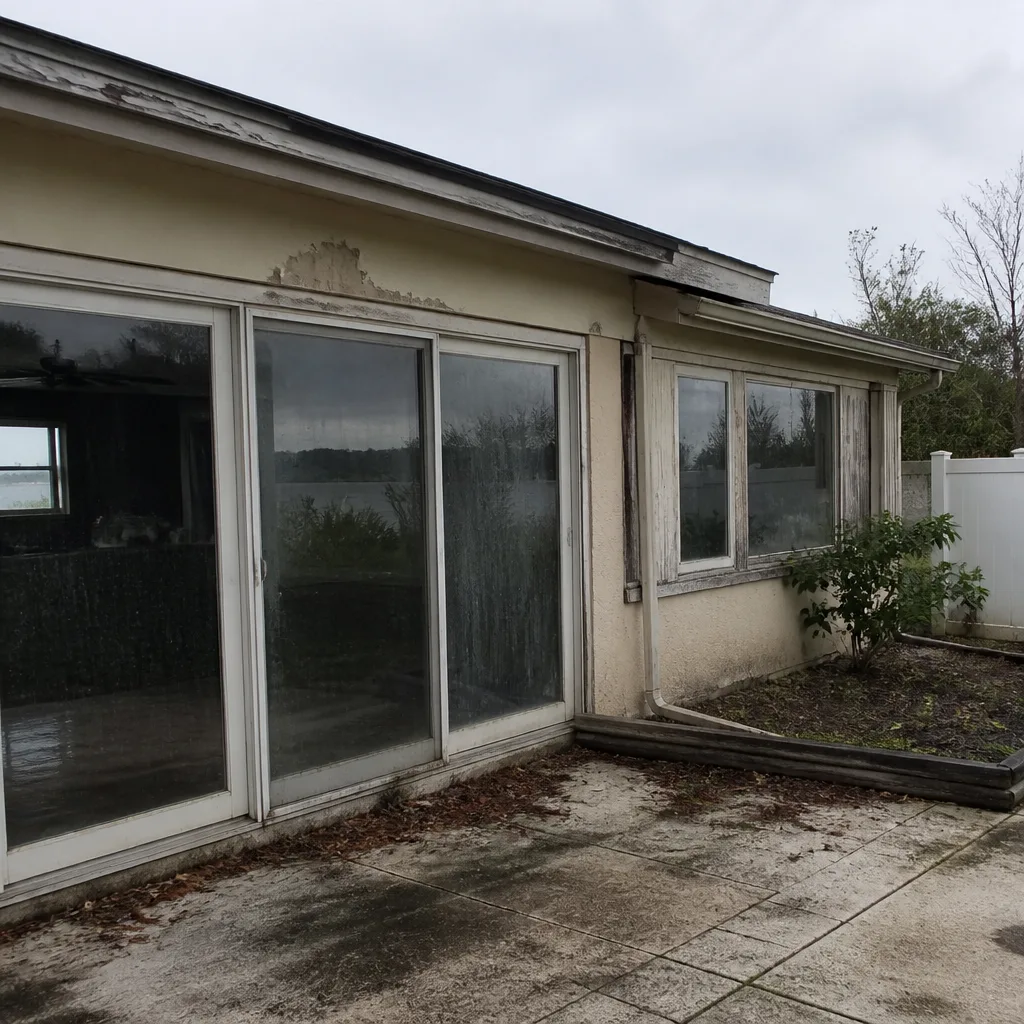 Before
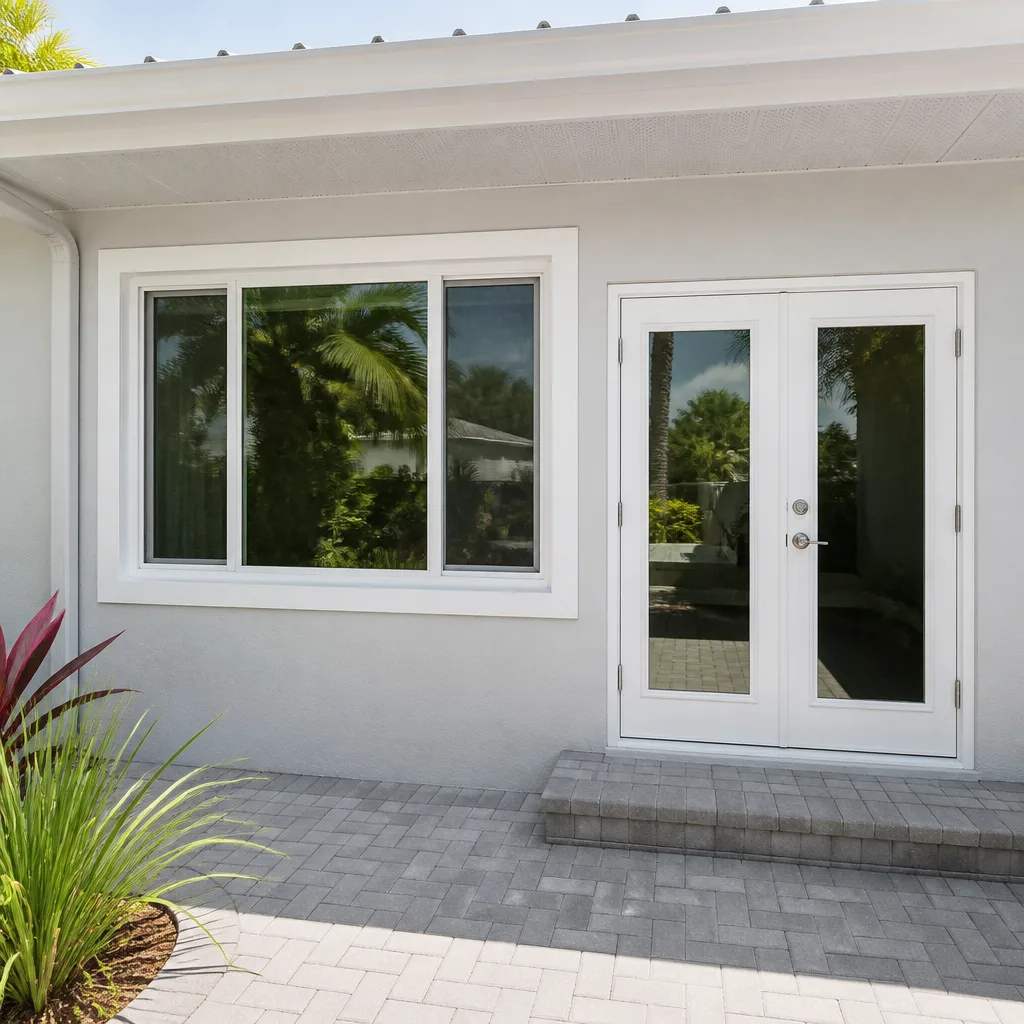 After
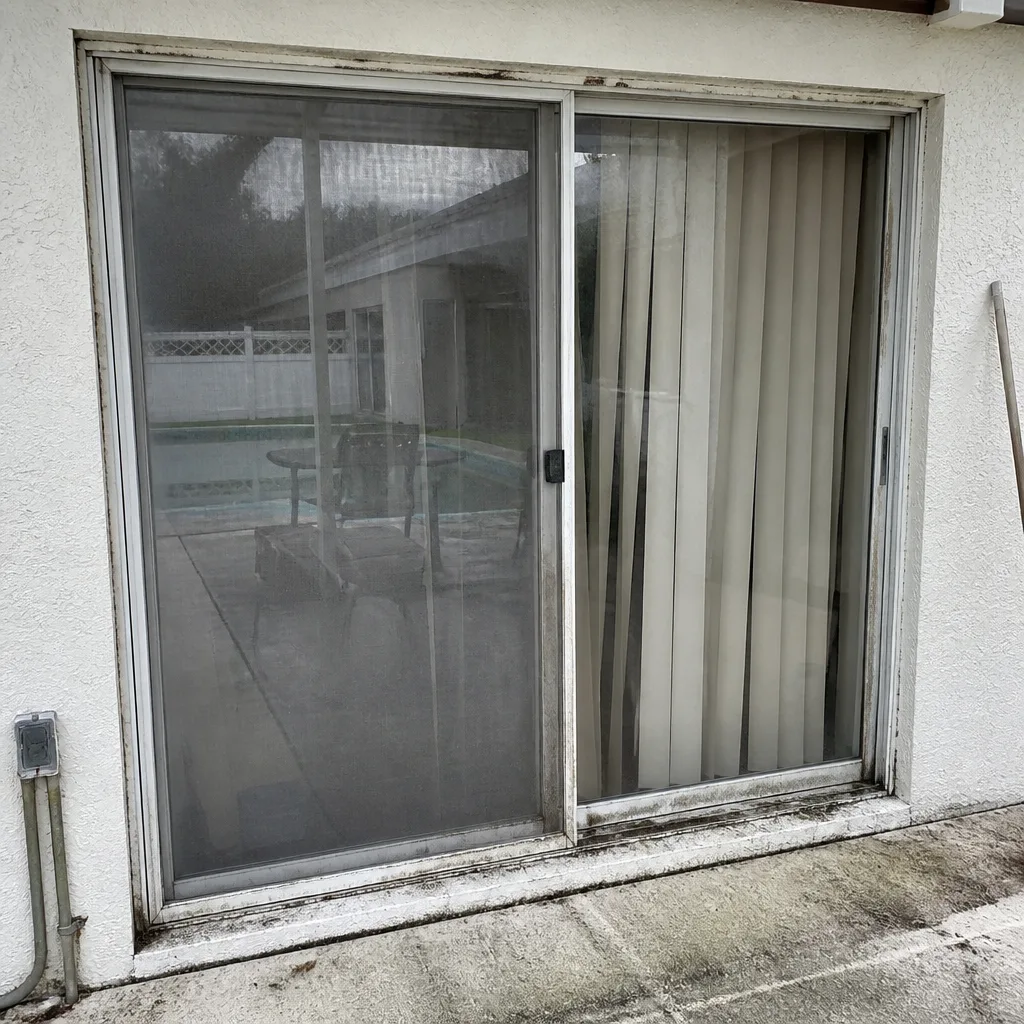 Before
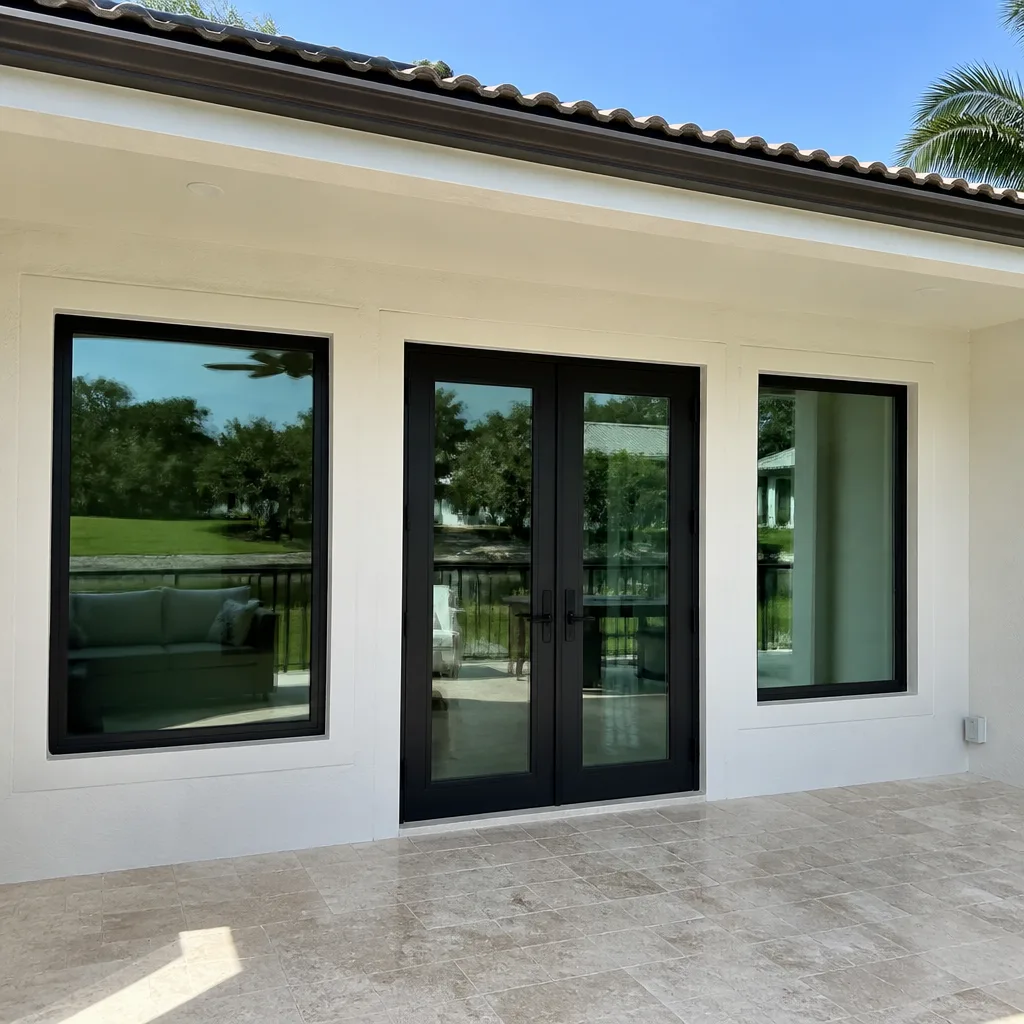 After
Windows & Doors Permits, Codes & Inspections in FL: What You Need to Know
Most Florida homeowners don’t find out their windows were installed without a permit until they try to sell the house. That’s when the title search flags the unpermitted work, the buyer’s lender pauses, and a thirty-year-old window becomes a five-figure negotiation. Florida has some of the strictest window and door code requirements in the country, and for good reason: a window that isn’t rated for wind-borne debris can become a missile opening during hurricane season. This guide walks through what Stuart homeowners actually need to know about permits, the Florida Building Code, impact ratings, inspections, and the paperwork that proves the job was done right.
Quick Answer
Window and door replacement in Florida requires a permit in nearly every case, and the work must meet the Florida Building Code’s wind-load and impact-resistance requirements, which are stricter in coastal zones like Stuart. A finished job needs a passed inspection and documentation showing the products are approved for your specific wind zone. Skipping the permit saves a few hundred dollars up front and can cost thousands at resale, and it can void the manufacturer’s warranty on the products themselves.
Table of Contents
- When You Need a Permit for Windows and Doors in Florida
- The Florida Building Code and What It Means for Your Home
- Impact Windows, Wind Zones, and Hurricane Protection
- Energy Code Compliance for Replacement Windows and Doors
- What the Inspection Process Actually Looks Like
- Step-by-Step: How to Handle the Permit Process
- What Permits and Inspections Cost in Stuart and Martin County
- How Permit Records Affect Your Warranty and Resale Value
- Common Mistakes to Avoid
- When to Call a Professional
- Frequently Asked Questions
- The Bottom Line
When You Need a Permit for Windows and Doors in Florida
Florida law is clear on this: replacing a window or an exterior door is not a repair, it’s an alteration to the building envelope. That means it requires a permit. The Florida Building Code (FBC) Section 105.1 requires a permit for any work that changes the structural components, the exterior envelope, or the means of egress of a building. A replacement window touches all three when done properly.
There are a few narrow exceptions. Replacing window glass or a window sash within an existing frame typically does not require a permit, since the frame and rough opening stay untouched. Reglazing a single pane of glass, replacing weatherstripping, or swapping out door hardware is also generally permit-exempt. But the moment the frame comes out, or the rough opening is modified, or a new door slab with a new frame goes in, a permit is required. In Stuart and across Martin County, the building department interprets this strictly. If you’re pulling out an aluminum single-hung from 1987 and putting in a new impact-rated vinyl window, you’re getting a permit.
The same rule applies whether you’re replacing one window or twenty, and it applies to doors, too. A new front door, a sliding glass door replacement, a French door conversion, a garage side door: all of them need a permit and an inspection. We’ve seen homeowners in Stuart’s older neighborhoods like North River Shores and Port Salerno get caught at closing because a previous owner swapped a sliding door in 2010 without pulling a permit, and the new buyer’s title company found no record of the work.
The entity that actually pulls the permit matters, too. A licensed contractor pulls the permit under their license and their insurance. When a homeowner pulls their own permit as an owner-builder, the liability sits with the homeowner, and so does the responsibility for getting the work to code. The Martin County Building Department will tell you the same thing: they inspect the work, not the person, and the work has to pass no matter who pulled the paper.
The Florida Building Code and What It Means for Your Home
The Florida Building Code is the baseline for every window and door installation in the state, and it’s updated every three years. The current edition (the 8th Edition, 2023, with the 2026 revision cycle underway) incorporates the International Building Code and the International Residential Code with Florida-specific amendments. For windows and doors, the sections that matter most are the wind-load provisions and the impact-protection requirements.
Stuart sits in a high-velocity hurricane zone (HVHZ) for some code purposes and a wind-borne debris region in others, depending on the exact location within Martin County. Homes east of US-1 are generally in the more demanding wind zone, and homes along the barrier islands like Hutchinson Island are subject to the strictest requirements in the region. That means the wind-load rating printed on the window’s certification label has to match or exceed what the code requires for the specific structure’s location, height, and exposure category.
Here’s what the building department is checking when they review a window or door permit application in Martin County:
- Product approval documentation: Every window and door installed in Florida must have a Florida Product Approval or a Miami-Dade Notice of Acceptance (NOA). This is a document issued after independent testing and engineering review, and it lists the specific wind pressures the product can withstand, the maximum size tested, and the approved installation methods.
- Design pressure ratings: The window’s design pressure (DP) rating has to meet or exceed the required design pressure for the opening’s location on the structure. A second-story window on an east-facing wall will have a different requirement than a first-floor window on a protected interior wall.
- Impact protection or shutters: Homes in the wind-borne debris region must have either impact-rated glazing or an approved alternative like code-compliant hurricane shutters or panels. The code cares about the entire opening, not just the glass.
- Structural anchoring: The installation method matters as much as the product. The code specifies the fastener type, the spacing, the embedment depth into the substrate, and the mounting flange or buck system used.
- Egress requirements: In bedrooms, at least one window must meet the emergency escape and rescue opening requirements: a minimum clear opening of 5.7 square feet, a minimum width of 20 inches, a minimum height of 24 inches, and a sill height no more than 44 inches above the finished floor. A replacement window cannot reduce the existing egress opening below these numbers.
A product being sold in a Florida supply house does not automatically mean it meets the code for a specific house in Stuart. The product approval has size limits, and a 96-inch-wide sliding glass door tested and approved for wind zone 3 might not be approved for the wind zone 4 conditions on Hutchinson Island. This is why the permit review process exists: the plans examiner checks the product’s approval document against the specific opening dimensions and the site’s wind zone before the work even starts.
Impact Windows, Wind Zones, and Hurricane Protection
Impact windows are not a luxury upgrade in Stuart. They’re a code requirement for most homes in the wind-borne debris region, and they’re the single best-documented investment a Florida homeowner can make in both safety and insurance savings. But the term “impact window” covers a range of products, and not all of them are equal in the eyes of the code or your insurer.
A true impact-rated window uses laminated glass: two panes of glass bonded to a clear interlayer, typically a PVB or ionoplast film. When a wind-borne object strikes the glass, the glass breaks but the interlayer holds the shards in place, keeping the building envelope intact and preventing the internal pressurization that peels roofs off houses during hurricanes. The entire assembly, frame included, is tested to withstand repeated impacts from a 2×4 traveling at 34 mph, followed by thousands of positive and negative pressure cycles.
The alternative is non-impact glass protected by shutters or panels. The code allows this, and some Stuart homeowners choose it to save money up front. But here’s the practical reality: shutters only protect the house if someone installs them before the storm. During an evacuation or a sudden storm, unprotected windows stay unprotected. And insurers in Martin County have been steadily increasing wind mitigation discounts for impact-rated products while narrowing the credits for manual shutter systems.
Products worth knowing in the Stuart market:
- PGT is the dominant Florida impact manufacturer, headquartered in Venice, with its WinGuard and PremierVue lines installed widely across Martin County.
- CGI and CWS produce commercial-grade and high-design impact fenestration, common in waterfront homes on the St. Lucie River and on Hutchinson Island.
- Ply Gem offers mid-market impact and non-impact lines, popular for interior applications and for homes where only select openings need upgrade.
One thing we tell homeowners in Stuart regularly: the impact rating on the glass does not transfer to the house unless the installation is done to the manufacturer’s tested and approved method. That’s the part the inspection is there to verify. A PGT window anchored incorrectly with the wrong fastener pattern has no approved strength, and no insurance underwriter will buy it as a mitigation feature.
Energy Code Compliance for Replacement Windows and Doors
Florida’s energy code is Chapter 13 of the Florida Building Code, and it follows the International Energy Conservation Code (IECC) with Florida amendments. For replacement windows and doors, the code cares about two things: the U-factor (how much heat passes through the product) and the solar heat gain coefficient, or SHGC (how much solar radiation passes through the glass).
For Climate Zone 1, which covers Stuart and all of Martin County, the current prescriptive requirements for replacement fenestration are a maximum U-factor of 0.75 and a maximum SHGC of 0.25 for products in the residential code path. This is not difficult to meet: virtually all modern low-E, insulated-glass windows satisfy these numbers. The issue arises with some specialty products like clear-glass picture windows without low-E coatings or single-glazed steel doors, which can exceed the SHGC limit and require a whole-building energy calculation to justify.
The energy code compliance is documented on the permit application itself. The contractor or homeowner lists the product’s certified U-factor and SHGC from the NFRC (National Fenestration Rating Council) label, and the plans examiner verifies that the numbers match the code requirement. There’s no separate energy inspection for a simple window swap; the compliance is reviewed on paper at permit application time.
What we see more often in Stuart is the practical energy conversation. Homes in neighborhoods like Sawgrass Creek and The Pines were built in the 1970s and 1980s with single-pane aluminum windows. Those windows have U-factors around 1.1 and SHGC values above 0.70. Replacing them with modern dual-pane, low-E windows takes the U-factor down to around 0.30 and the SHGC below 0.25, which cuts the solar heat gain through the glass by roughly two-thirds and noticeably flattens the July energy bill. The code sets the floor; the real benefit is above it.
What the Inspection Process Actually Looks Like
The Martin County Building Department inspects window and door installations in two stages in most cases: a rough inspection and a final inspection. Each one has a defined checklist, and the inspector is comparing what they see in the field with the approved permit documents and the product approval sheets.
The rough inspection happens after the old window or door is removed, the rough opening is prepared, and the new unit is set in place and fastened, but before trim, caulking, or interior finishing covers the installation. The inspector is looking at:
- Anchor type and placement: Are the fasteners the correct type and diameter per the product approval? Are they placed at the specified intervals, typically every 4 to 6 inches around the perimeter?
- Flashing and weatherproofing: Is there a sill pan or approved flashing tape at the bottom of the opening? Is the jamb flashing lapped correctly so water drains out, not in? Are the head flashing and drip cap in place?
- Product labels and approval stickers: Every window and door has a permanent label, either a Florida Product Approval sticker or an AAMA/NFRC certification label. The inspector must be able to see and read the label before it’s covered by trim.
- Egress dimensions: In bedrooms, the inspector is measuring the net clear opening with the sash fully opened to confirm it still meets the egress minimums.
- Structural integrity of the rough opening: If any framing was modified, the inspector is checking the header, jack studs, and sill for correct sizing and load transfer.
If the rough inspection passes, the crew finishes the installation: interior trim, exterior casing, caulking, painting. The final inspection confirms the complete installation is watertight, the products operate correctly, any shutters or panels are properly installed and labeled, and the site is clean. Some projects that are simple replacements with no framing modification may be eligible for a single final inspection after the work is complete, which is the case for many standard retrofit window replacements in Stuart.
The inspection record is the proof of compliance, and it lives in the county’s files in perpetuity. When you sell the house, the buyer’s inspector and title company pull that record. A clean inspection history is worth more than the permit fee; a missing inspection history is a liability. This is a core part of how we work at TruePane: the permit is pulled before the truck arrives, the inspection is scheduled before the job is finished, and the passed inspection record goes in the homeowner’s file with the warranty registrations.
Step-by-Step: How to Handle the Permit Process
If you’re hiring a licensed contractor in Martin County, the contractor handles the permit process on your behalf. That’s standard practice, and it’s part of the service you’re paying for. If you’re pulling your own permit as an owner-builder, here’s the process in Stuart’s building department:
- Gather the product documentation. Before you can apply, you need the Florida Product Approval or NOA for each window and door the project includes. The product approval has specific sheets for each model and size, and the application has to reference the exact sheets. Pulling these documents takes time, and a missing page stalls the permit review.
- Complete the permit application. Martin County uses an online portal for permit applications. The application asks for the project scope, the product details, the wind zone, the design pressures, and the contractor or owner-builder information. Accuracy at this stage matters: if the submitted design pressure doesn’t match the product approval, the application gets kicked back.
- Pay the permit fee. Permit fees for window and door replacements in Martin County are based on the valuation of the work and the number of openings. Expect to see the fee calculated on the total job value with a minimum fee applied per trade.
- Wait for plan review. For a straightforward window or door swap, the review is typically quick, sometimes same-day for a simple residential replacement application. Jobs that involve structural changes or are in flood zones or historic districts take longer.
- Receive the permit and schedule the work. The permit is issued with an expiration date. In Florida, most permits expire if the work doesn’t start within 180 days or if the project is not completed and inspected within the specified time. Abandoned permits are a known issue at resale.
- Complete the work and call for inspection. The inspection must be requested through the county’s system, and it has to happen while the permit is still active. Missed inspection deadlines mean re-permitting.
- Receive the passed inspection record. The county posts the inspection result online, and the homeowner receives documentation that the work passed. This record is part of the home’s history.
A note from our side of the counter in Stuart: the homeowners who have the smoothest permit experiences are the ones whose contractor handled every step and handed over the complete packet at the end. The homeowners who tell us horror stories are the ones who tried to save the contractor’s markup by becoming their own general contractor, missed a code detail on the application, and ended up paying a plan review resubmission fee plus three weeks of delay. The TruePane Windows & Doors home page has the full walkthrough of our process; the permit step is always included.
What Permits and Inspections Cost in Stuart and Martin County
The honest answer: permit fees for a residential window and door replacement in Stuart typically land between $150 and $500 depending on the job scope, with most whole-house window replacements falling in the $250 to $400 range for the permit itself. The inspection cost is included in the permit fee in Martin County; there’s no separate inspection charge for a standard replacement job. If a plan review is required because the work involves structural changes, that review carries an additional fee, usually 10 to 15 percent of the permit fee or a flat hourly charge.
Here’s a realistic breakdown for representative jobs in Stuart:
- Single window replacement, non-impact: $75 to $150 permit fee, one final inspection, no plan review. The contractor’s time to file the paperwork is often built into the labor price.
- Single impact window replacement: $100 to $200 permit fee, plus documentation time for the product approval sheets.
- Whole-house replacement, 10-15 openings, impact-rated: $300 to $500 permit fee, rough and final inspections, possible plan review if the job includes size changes or structural headers.
- Sliding glass door replacement, impact-rated: $150 to $250 permit fee, rough inspection required because the threshold and flashing details are code-critical.
- Owner-builder application for any of the above: Same fees plus the owner’s time, plus a notarized owner-builder disclosure form, plus full liability exposure.
These are current market ranges for Martin County. They shift when the county adjusts its fee schedule, and they shift based on job valuation. What they don’t shift on: the cost of skipping the permit entirely, which is the $150 to $500 saved now versus the unpermitted-work disclosure at closing, the retroactive permit process (which requires opening up finished work), and the potential for the buyer to demand the entire window system be removed and reinstalled under a new permit to satisfy the lender. The Florida market has become unforgiving on unpermitted work in the last ten years, and Stuart buyers, many of them out-of-state purchasers with strict lenders, are the most cautious in the state.
How Permit Records Affect Your Warranty and Resale Value
Most homeowners don’t realize how tightly permits, inspections, and warranties are connected until a claim is denied. The major window manufacturers write their warranty terms to require installation in compliance with the applicable building code and local permitting requirements. If the window fails and there’s no permit on file, or the installation was never inspected, the manufacturer has a legitimate reason to deny the warranty claim. The product warranty protects against manufacturing defects, not installation errors, and without a permit record proving a code-compliant install, the owner has no paper trail to argue with.
The permit file is also the first thing a title company or home inspector reviews during a sale in Stuart. Martin County’s property records are public and searchable by address, and a missing permit for obvious window or door replacements is one of the most common findings on a four-point inspection, the standard insurance inspection required for older Florida homes. A failed four-point inspection means the buyer can’t get insurance, which means the sale stalls until the issue is resolved. Resolving an unpermitted window installation retroactively is expensive: the building department requires opening the installation to expose the anchors and flashing, photographing everything, obtaining an after-the-fact permit (which comes with a penalty fee), and scheduling the inspection. The cost to “fix” a skipped permit is routinely three to five times the cost of obtaining it properly the first time.
At TruePane, every job includes the complete documentation set assembled before the crew leaves: the permit, the passed inspection record, the product approval sheets, and both warranty registrations in writing. We call it the Key Iron documentation standard, and it’s the answer to the most common question sellers ask us years after the install: “Do you still have the paperwork?” The answer has to be yes, and it has to be yes in a form the buyer’s attorney will accept.
Common Mistakes to Avoid
- Skipping the permit to save money. This is the most expensive mistake in Florida window replacement. The unpermitted work catches up at resale, at insurance renewal, or at a warranty claim, and the retroactive fix costs far more than the original permit fee. In Stuart, where the buyer pool includes lenders and insurers familiar with hurricane codes, unpermitted windows kill deals.
- Buying windows without checking the Florida Product Approval. A window sold online or through a national retailer may have no Florida Product Approval number, which means the building department will reject the permit and the product cannot legally be installed in Stuart. Always verify the FL product approval before purchasing.
- Assuming a licensed contractor handles the permit automatically. Florida law requires the contractor to pull the permit, but not every contractor does it. Ask directly: “Will you pull the permit, and will the permit number be on my invoice?” If the answer is evasive, walk away.
- Letting the permit expire before inspection. Florida permits have expiration dates, and an expired permit requires a new application and new fees. If you schedule a window job and life gets in the way, make sure the inspection still happens before the permit dies.
- Confusing impact-rated glass with impact-rated installation. The product approval covers the product and its approved installation method together. An impact window installed with the wrong anchor pattern or missing flashing fails the inspection and loses its code standing, no matter how good the glass is.
- Replacing a bedroom window with a smaller egress opening. The exact same window size is usually okay, but changing the style (for example, swapping a double-hung for a smaller casement) can reduce the egress opening below the legal minimum, and the inspector will fail the job.
- Ignoring the wind zone for your specific address. Stuart’s building code wind zones shift block by block, east of US-1 versus west, barrier island versus mainland. A product approved for one zone may not be approved for your address, and the permit application is where that mistake gets caught.
When to Call a Professional
Window and door replacement is not a safe weekend project in Florida. The units are heavy, the glass is breakable, the fastening requirements are precise, and the penalty for getting it wrong is water intrusion that rots the wall cavity for years before you see the stain on the drywall. If your project involves impact windows, a second-story installation, any modification to the rough opening, or a sliding glass door (which weighs several hundred pounds), call a licensed contractor. If the job touches the exterior envelope of a home you plan to sell, the permit and the inspection record matter as much as the work itself. TruePane Windows & Doors offers free estimates in Stuart, call (754) 324-4646 to schedule. We walk every homeowner through the permit, the product approvals, and the inspection before the job starts, so there are no surprises in the paperwork after.
Frequently Asked Questions
Yes, nearly every window replacement in Florida requires a permit because the Florida Building Code treats window replacement as an alteration to the building envelope. The only common exception is replacing glass or a sash inside an existing frame without removing the frame itself. In Stuart, the Martin County Building Department enforces this strictly, and a contractor who offers to do the work “without all the permit hassle” is handing you a liability that will surface at resale, at insurance renewal, or at the first structural problem. Call (754) 324-4646 for a straight answer on your specific project and a free estimate.
A window permit in Stuart typically costs between $75 and $500 depending on the number of openings and the job valuation, with most residential window replacements falling in the $150 to $400 range including inspections. Single-window jobs are at the low end; whole-house impact window replacements with a dozen or more openings are at the high end. The inspection itself is included in the permit fee in Martin County.
The Florida Building Code allows two paths to wind-borne debris protection: impact-rated laminated glass in the window or door, or an approved shutter or panel system protecting non-impact glass. Impact windows are always protecting the house because they’re permanently installed, while shutters protect only when someone deploys them before a storm. Insurers in Martin County give stronger wind mitigation credits for impact-rated products, and most Stuart homeowners choose impact windows when they’re replacing old windows anyway.
For a straightforward window or door replacement, the permit review in Martin County is often same-day or next-day, and the inspection is scheduled within a few days of the work being completed. The total timeline from permit application to final inspection is typically one to three weeks for a whole-house replacement job, depending on the inspection backlog and the crew’s schedule. Jobs involving structural changes, historic review, or flood zone documentation take longer.
Florida law allows an owner to act as their own contractor for their primary residence if they sign an owner-builder disclosure form and personally supervise the work. In practice, the owner assumes full liability for code compliance, pulls the permit under their own name, and is responsible for the work in any future warranty dispute or resale issue. Given the wind-load requirements and the inspection standards in Stuart, most homeowners tell us they’d rather have the liability on the contractor’s license and insurance.
Most major window manufacturers, including PGT, CGI, and Ply Gem, write their warranty terms to require installation compliant with the local building code and permit requirements. If a warranty claim arises and there is no permit or inspection record, the manufacturer has grounds to deny the claim because it cannot verify the install was done correctly. The permit file is the proof that protects the warranty, and it’s one of the main reasons we handle permitting on every job regardless of size.
The Bottom Line
The permit is not a bureaucratic nuisance. It’s the written record that your windows and doors were installed to the wind-load and impact-resistance standards Florida codes demand, and it’s the paper that protects your warranty and your resale value. In Stuart, where hurricane season is a fact of life and the resale market is populated by careful buyers and strict lenders, unpermitted window work is the most expensive shortcut a homeowner can take. The path that works is direct: verify the product approval before you buy, pull the permit before the job starts, pass the inspection after the work is done, and keep the paperwork for the life of the house. We’ve spent years doing windows and doors the way the code intended, and the permit has always been part of the job, not an add-on.
Written by Dale Kessler, Owner at TruePane Windows & Doors, serving Stuart since 2008.
Six Reasons Homeowners Choose TruePane Windows & Doors
Impact systems engineered to design pressures up to +/-100, matched to your wind zone - your openings hold when the storm arrives.
Low-E insulated impact glass from our manufacturer lines commonly cuts monthly cooling bills 20-30%.
Laminated impact glass shuts out up to 40% of outside noise - traffic, neighbors, weather.
Monitoring services run $30-90 a month. Laminated impact glass resists forced entry around the clock, with no subscription.
Florida homeowners average around 25% savings on the windstorm portion of their policy after protecting every opening - some homes qualify for more.
A full impact package upgrades curb appeal, buyer confidence and appraised value in one project.