
Free in-home measure and quote - PGT, CGI and CWS impact lines compared on your actual openings, style by style
Sliding glass doors
Impact garage doorsPGTCGI
 Before
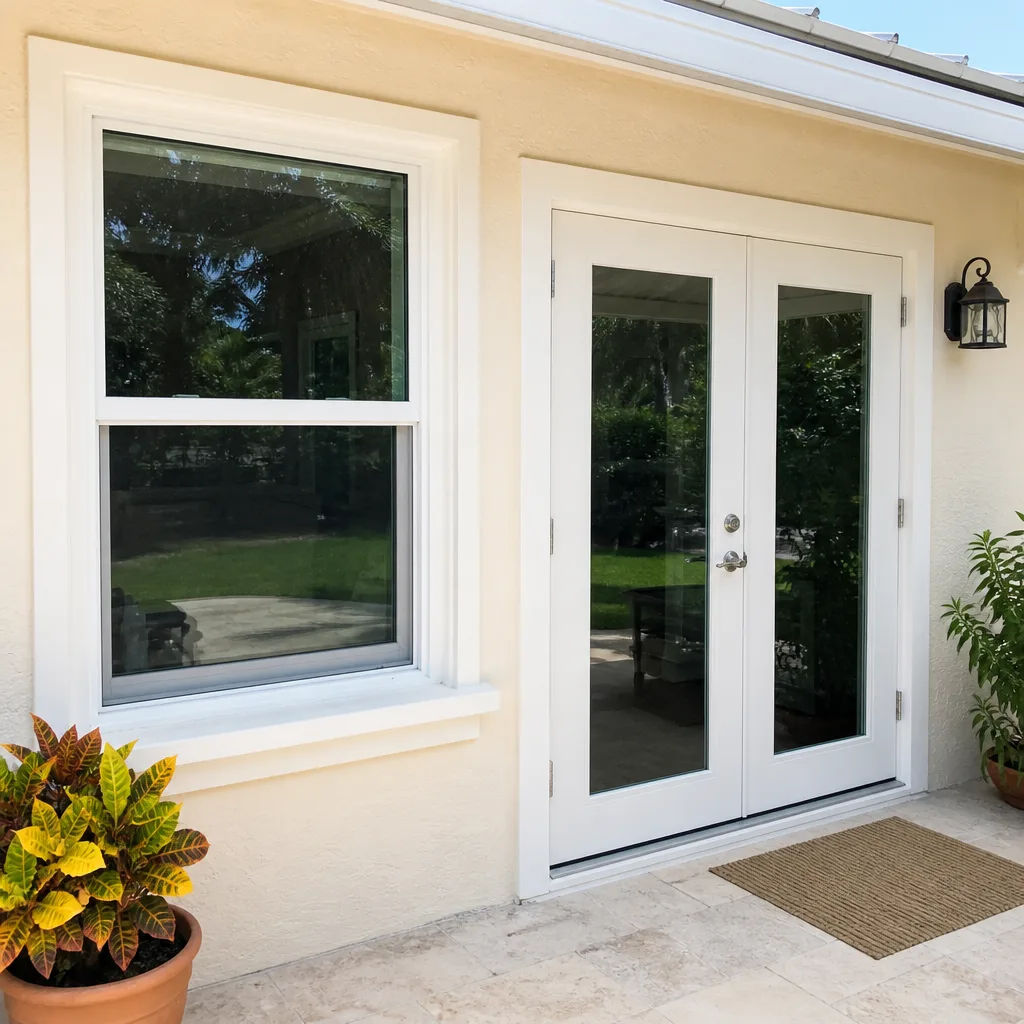 After
After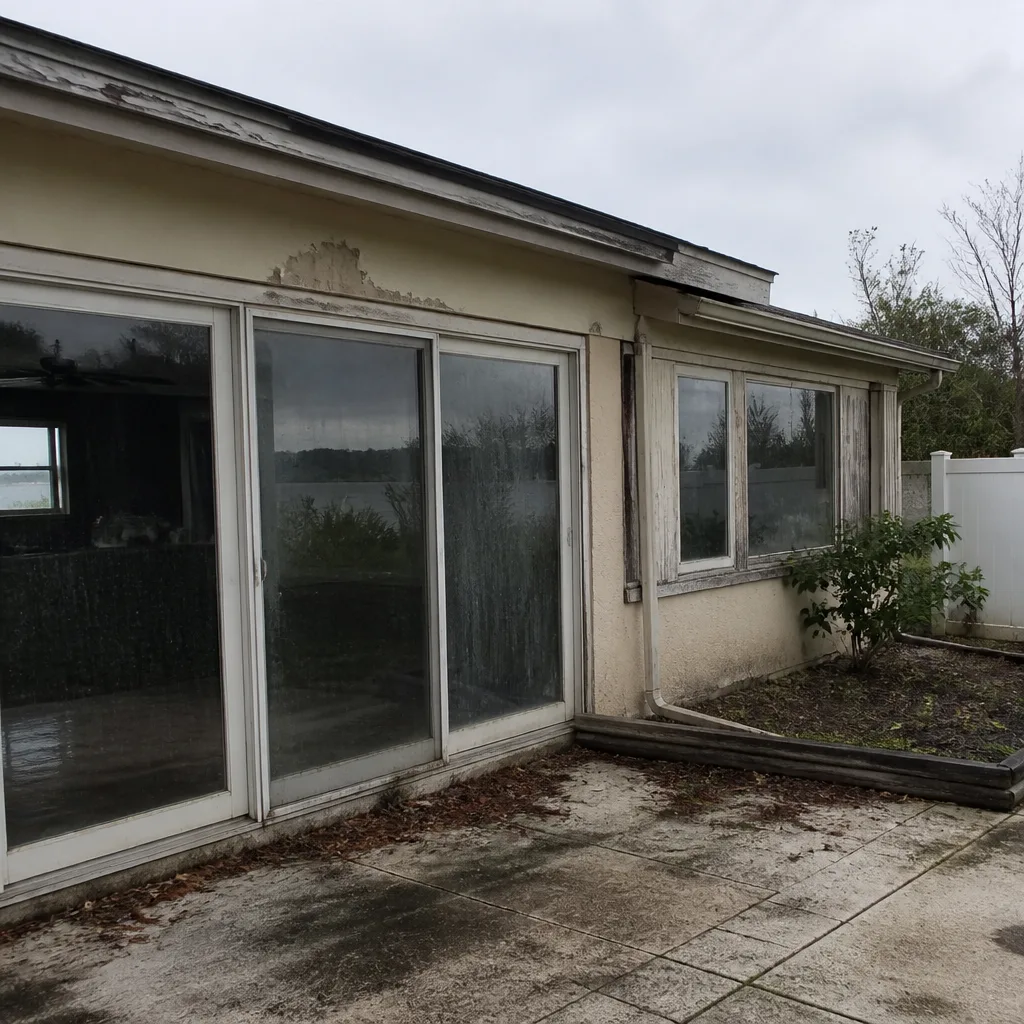 Before
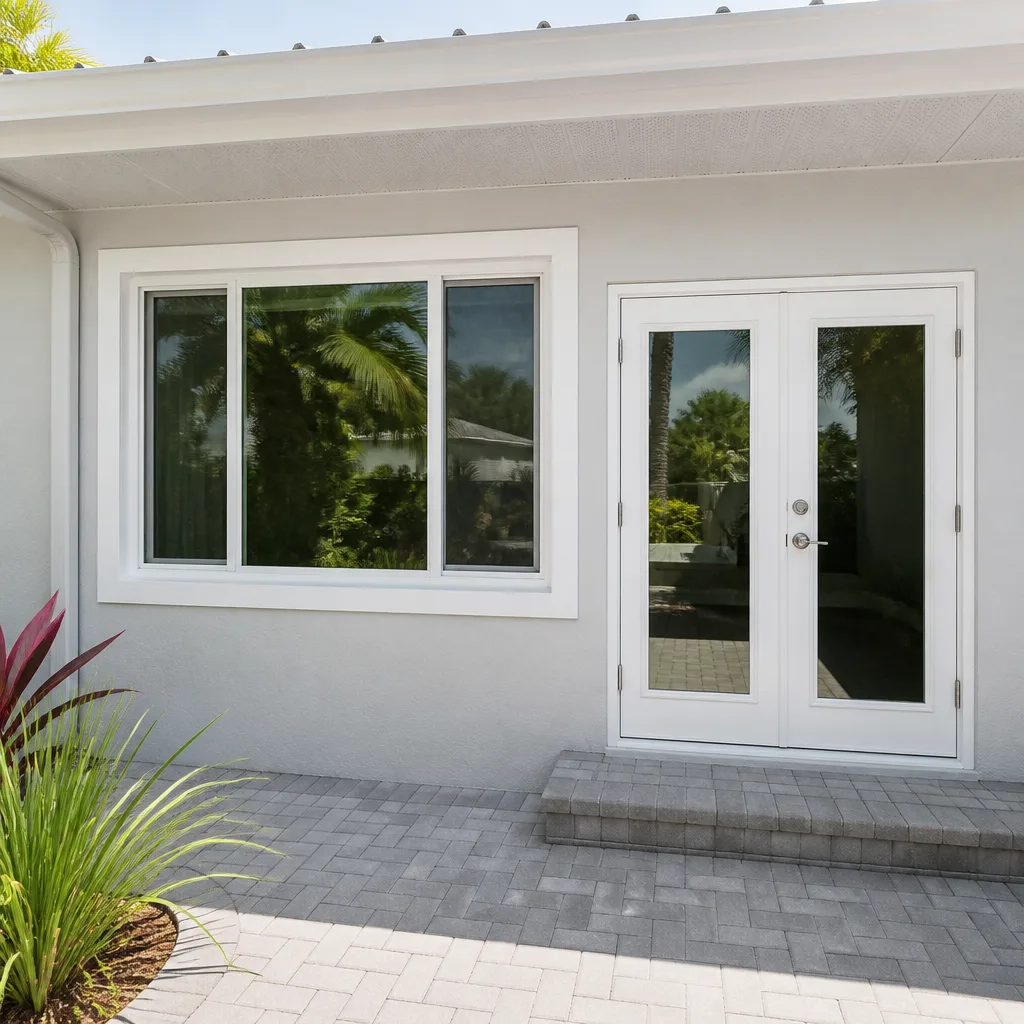 After
After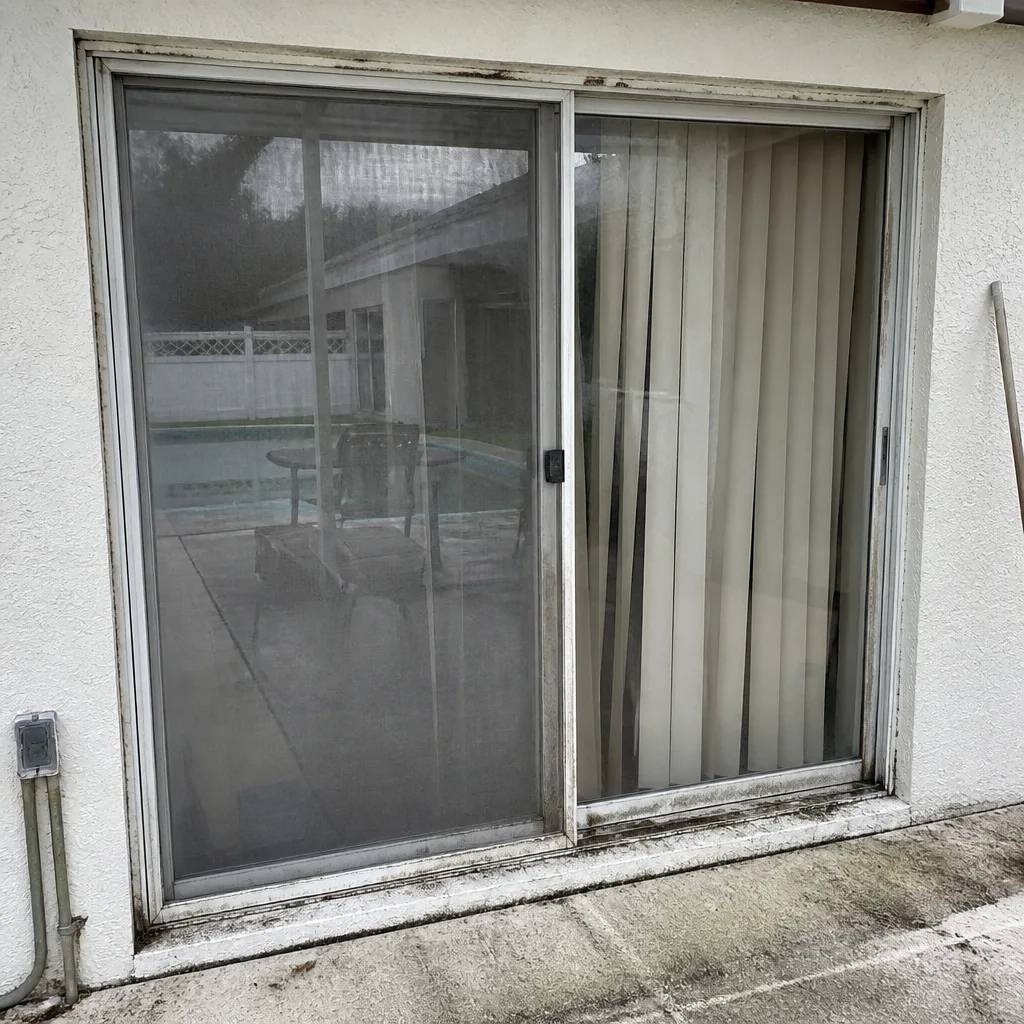 Before
 After
AfterCWS Glass Railing Systems: The Stuart Owner’s Guide
We stock and install CWS-compatible glass railing system parts for homeowners throughout Stuart, with most replacements running between $400 and $1,800 installed depending on the component. Most jobs are completed in a single visit because we carry common CWS mounts, clamps, and standoff hardware on the truck. The call usually starts the same way: a homeowner notices a panel that’s started to shift, a clamp that’s loosened despite being tightened, or glass that’s developed a dull rattle when the wind comes off the St. Lucie.
CWS builds railing systems meant for coastal exposure, and they hold up better than most. But the hardware stack, the standoffs, the gaskets, the set screws, takes the daily punishment of salt air, sun, and thermal cycling. When one component fails, the panel loses its bearing, and that’s when you feel the wobble. The fix is rarely the glass itself. It’s almost always the hardware doing the holding.
Which CWS Models This Applies To
CWS has produced glass railing systems across several product families over the years, and the compatibility question matters more than most people expect. Their staple lines include the frameless point-supported systems, the low-profile base shoe systems, and the post-supported configurations used on balconies and pool decks across Martin County.
The one thing you need before calling: the clamp or base shoe measurement. CWS glass is typically 1/2 inch or 3/4 inch tempered, and the hardware is machined to match the panel thickness exactly. A 1/2 inch clamp will not seat correctly on 3/4 inch glass, no matter how much you torque it. We measure the glass thickness first, then check the standoff depth against the existing holes. If you can find a part number stamped on the clamp or the bottom of the base shoe, even better. Older CWS installs sometimes used a discreet label on the underside of the top rail or inside the end cap. It’s worth a look before you call.
For systems that CWS has since discontinued, quality aftermarket equivalents do exist. We stock several machined stainless standoffs and clamps that fall within five thousandths of the original spec. In a salt-air environment like Stuart, that tolerance matters. Cheap cast hardware pits and seizes within two or three seasons. That’s the part of the job nobody sees until the rail fails.
Signs Your CWS Glass Railing Systems Is Failing
- Panel wobble when you push against the glass. This means a standoff or base shoe has lost its grip on the substrate. On older Stuart homes, the original anchoring was sometimes set into stucco without enough backing, and the constant thermal movement works it loose over time.
- Persistent loosening of the same clamp despite re-tightening. Set screws wear, and the threads gall after years of salt and humidity. Once the screw stops holding torque, replacing the entire clamp is the honest fix. Re-tightening a striped screw just buys you a few weeks.
- White chalky deposits or pitting on the stainless hardware. Stuart’s coastal air accelerates this on lower-grade stainless. It’s mostly cosmetic, but pitting eats into the structural cross-section over a decade, and we’ve replaced hardware on riverfront properties that showed visible corrosion fatigue.
- A dull rattle when the wind gusts. The rubber or nylon gaskets inside the clamps have hardened and shrunk. The glass is no longer fully seated, which means it’s vibrating against metal with every gust. That vibration is what work-hardens the clamp over time.
- Water staining running down from a clamp or base shoe. Sealant has failed at the penetration point. In Stuart’s wet season, water gets behind the hardware and starts corroding the anchor from the inside out. This is the one we catch early on homes along the river and the canals.
Replacement Cost & What’s Included
Here’s what we’re quoting for CWS glass railing system replacements in Stuart:
| Component | Installed Range |
|---|---|
| Single clamp or standoff (machined stainless, matched to glass) | $85 – $145 each |
| Base shoe section or top rail cap (per linear foot) | $40 – $75 |
| Complete hardware rebuild for one panel (all clamps, gaskets, anchors) | $400 – $700 |
| Full railing system hardware replacement (typical 20-foot run, 4-6 panels) | $1,200 – $1,800 |
The range depends on three things: glass thickness, the condition of the existing anchor points, and whether the original substrate has enough backing to re-anchor cleanly. We write line-item quotes before any work starts, and the price we quote is the price on the bill. Every job includes both warranty layers registered in writing under The Keystone Standard, and our Done Right Promise covers the workmanship. No arguing about what was or wasn’t included.
DIY or Call Us?
Tempered glass is not forgiving. The edges carry the internal stress that gives the panel its strength, and a single misaligned clamp can concentrate load exactly where the glass doesn’t want it. When a panel under stress goes, it doesn’t crack, it detonates into a thousand cubes. We’ve seen it happen during a homeowner’s third attempt at re-seating a clamp.
What you can safely do yourself: inspect the hardware, note which clamps are loose, measure the glass thickness with a caliper or ruler, and take photos of any part numbers or stamps. That information makes our first visit faster and gets you an exact price sooner. What we don’t recommend is disassembling any load-bearing clamp, drilling new anchors into your deck or balcony substrate, or attempting to re-torque hardware that’s been loose for a season. If the panel shifts while you’re working on it, you’re on the wrong side of a very heavy piece of glass.
Call (754) 324-4646 and we’ll come out, measure it right, and tell you exactly what needs replacing and what doesn’t.
FAQs
A properly installed CWS system with machined stainless hardware typically lasts 15 to 20 years in Stuart before the hardware stack needs a full rebuild, though gaskets and set screws often need attention every 5 to 8 years due to salt and UV exposure. Riverfront and direct oceanfront properties run closer to the bottom of that range. Homes a mile or more inland can push past it.
In most cases the clamp itself is not repairable, but the gasket inside it can be replaced if the housing is still sound. Once threads gall or the body shows pitting, replacement is the only option that holds. Call (754) 324-4646 and we’ll tell you which path applies to your hardware before we touch anything.
Most single-panel hardware rebuilds are finished in one visit, typically two to four hours depending on anchor condition and access. A full run of four or more panels can take a full day, mostly because we re-anchor into new substrate rather than reusing stripped holes.
We keep common CWS-compatible clamps, standoffs, gaskets, and base shoe sections on the truck, and we also stock parts for Andersen, and Pella railing systems. Odd-size standoff depths sometimes require a two-day order from our supplier in Fort Pierce. The estimate is free either way, so call (754) 324-4646 and we’ll check our inventory while you’re on the phone.
If the opening is right, the rest is just doing the work. Dale Kessler has been measuring and setting glass on the Treasure Coast long enough to know that with CWS systems, the opening is almost never the glass. It’s the hardware, the anchors, and the patience to do it right the first time.
Get Your CWS Glass Railing Fixed Right
If your CWS railing is wobbling, rattling, or showing rust, call us at (754) 324-4646 for a free estimate. We’ll measure the glass, check the anchors, and give you a written quote with the price that won’t change. TruePane Windows & Doors serves Stuart and all of Martin County as an independent service provider, and we stand behind every part we install.
Written by Dale Kessler, Owner, TruePane Windows & Doors at TruePane Windows & Doors, serving Stuart and nearby areas.
Six Reasons Homeowners Choose TruePane Windows & Doors
Impact systems engineered to design pressures up to +/-100, matched to your wind zone - your openings hold when the storm arrives.
Low-E insulated impact glass from our manufacturer lines commonly cuts monthly cooling bills 20-30%.
Laminated impact glass shuts out up to 40% of outside noise - traffic, neighbors, weather.
Monitoring services run $30-90 a month. Laminated impact glass resists forced entry around the clock, with no subscription.
Florida homeowners average around 25% savings on the windstorm portion of their policy after protecting every opening - some homes qualify for more.
A full impact package upgrades curb appeal, buyer confidence and appraised value in one project.